

Love someone with mental illness?
Learn to stop walking on eggshells without giving up on them.
For partners and family members of people with emotional issues like borderline personality disorder, trauma and addiction.

When someone you love is spiraling or refusing help, knowing what to do feels impossible
Supporting a partner, child, or other loved one with explosive emotions can leave you walking on eggshells, managing emotions that aren’t yours, and putting your own needs last.
You desperately want to help, but everything you do ends in another blow-up.
You can love someone deeply and still feel drained, resentful, or unsure of what to do next.
KulaMind is for you if:
Your adult child blames you for everything and refuses help.
Your partner's emotions dominate the relationship.
Every conversation turns into an argument.
You feel responsible for keeping everyone afloat.
You're exhausted and don't know what to do anymore.
You've read the books and listened to the podcasts, but you're still stuck when it happens in real life.
Turn emotional chaos into connection
KulaMind helps you go from being emotionally captive to someone else's mental illness to becoming calm and confident in the relationship without giving up on the person you love. In 12 weeks you will feel:
Calmer, more grounded, and intentional
Confident in handle crises or outbursts
Comfortable setting clear, healthy boundaries without guilt
More connected to your loved ones
Feel like yourself again
You can't control their emotions. But you can stop being controlled by them.
How KulaMind helps you become the bedrock of the family
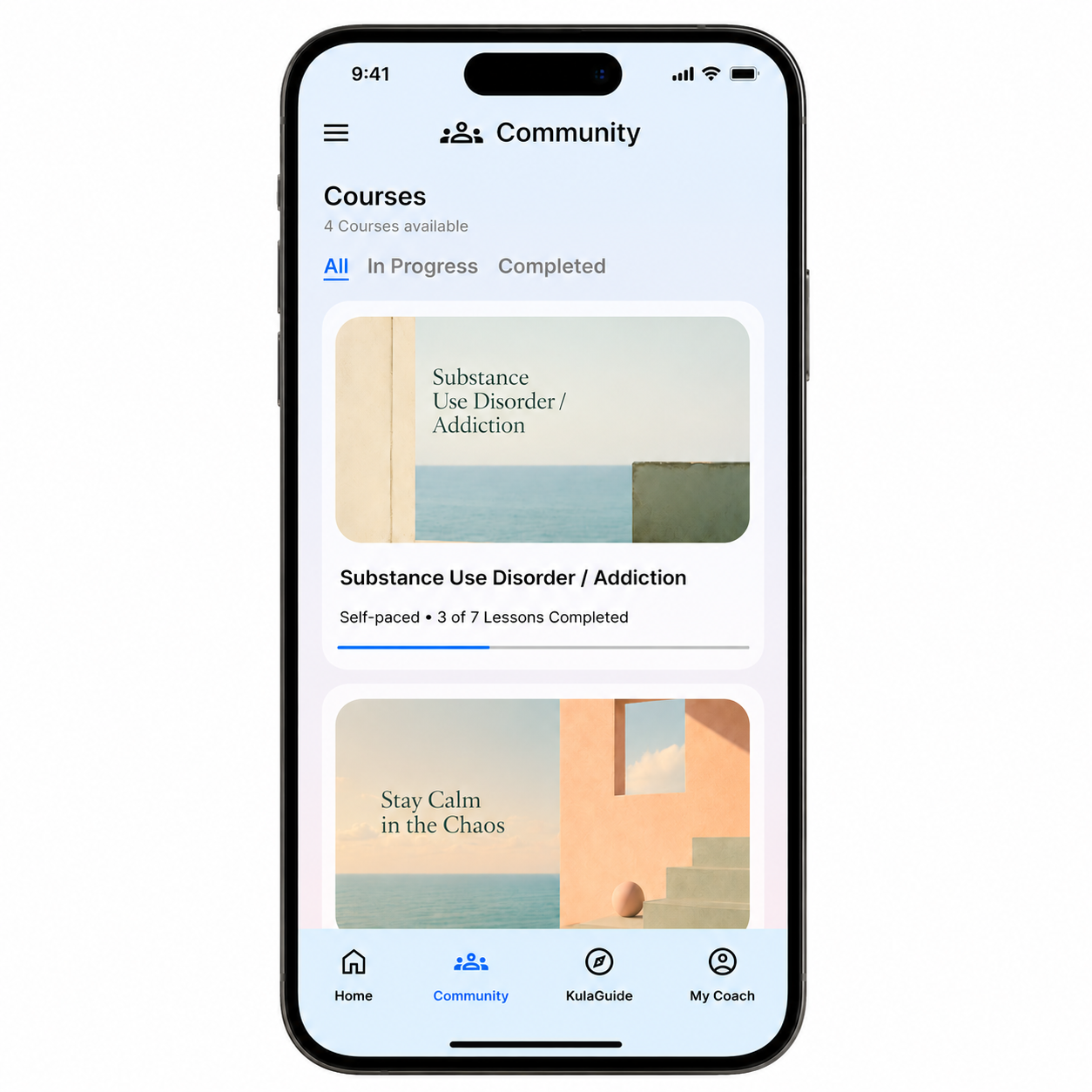
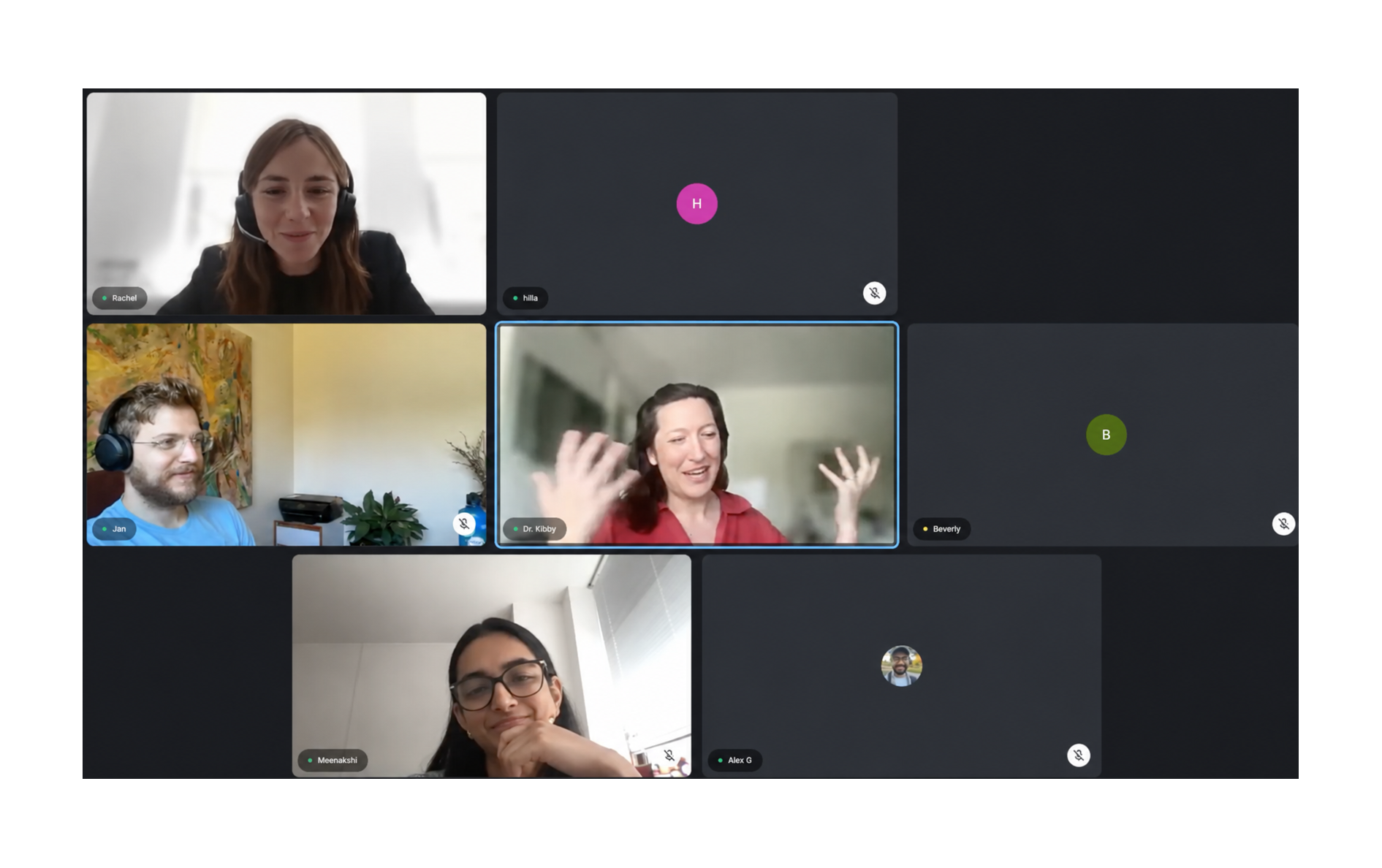
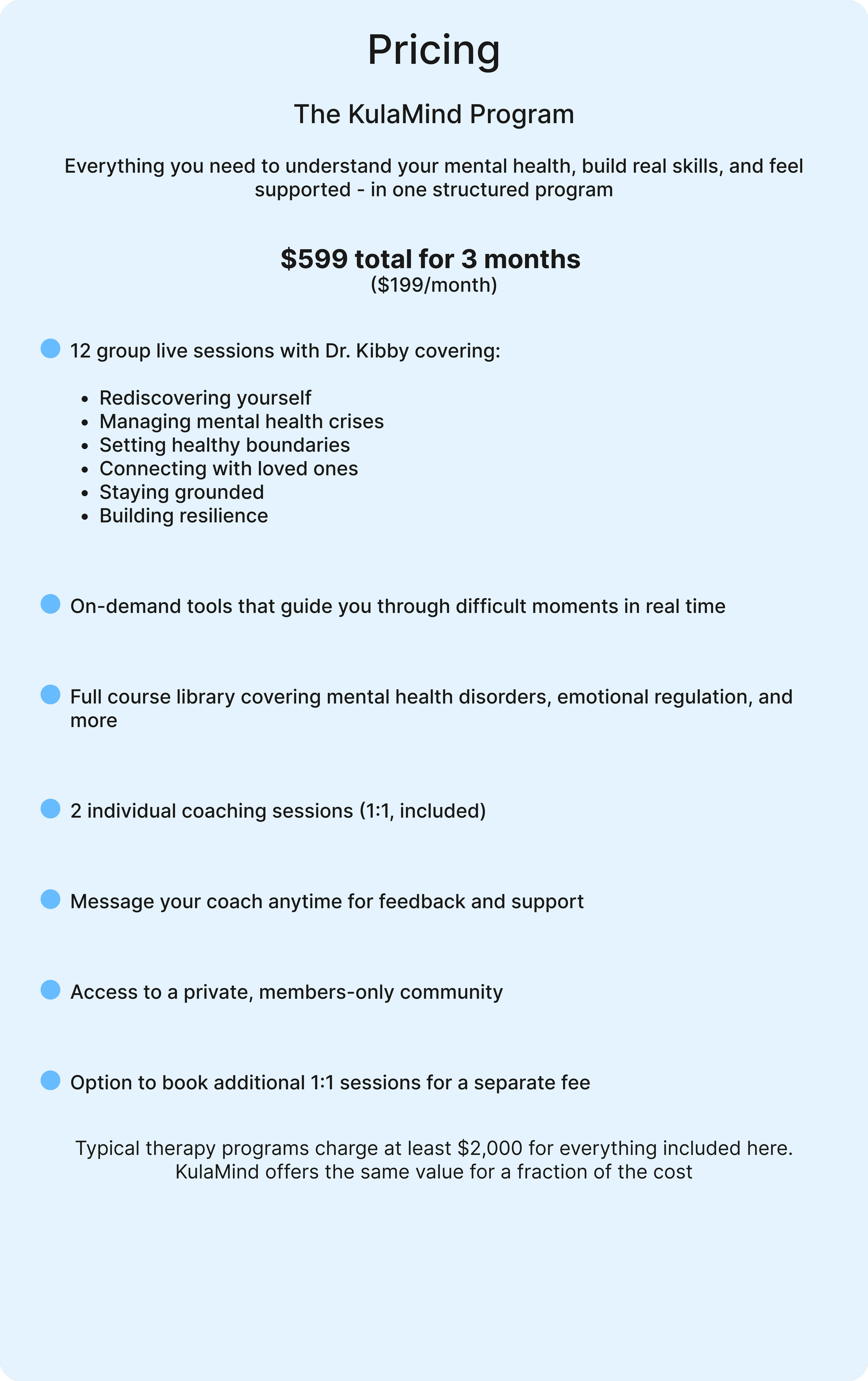
KulaMind, we help you become the person you want to be in one of the hardest relationships of your life. It’s a 12-week fully virtual program led by clinicians with decades of experience supporting complex behavioral health patients and their loved ones. We offer:
Hear from others who have been there

Frequently Asked Questions
Still have questions? Take a look at the FAQ or reach out anytime. If you’re feeling ready, go ahead and apply.
-
Totally get it. We thoughtfully designed this program to deliver the maximum value at the lowest cost. Instead of charging you $375 per 50 minute session to teach you these skills individually (like I used to in private practice), I teach the fundamentals in a group setting at a much lower cost. We also found that our members get so much out of learning from each other’s experiences and realizing they’re not alone. The community is truly special, as everyone cares deeply about showing up for the people they love. For members who prefer an entirely individual experience, they just watch the recordings to learn on their own and then do 1:1 sessions for deeper, more personalized support.
-
KulaMind is an investment in you. For 12 weeks, you get live weekly sessions with an experienced clinician, a self-paced course, daily AI-guided practice tools, and a community of people who actually understand what you're going through. The skills you learn here will change how you show up in your relationship, and in your own life. Comparable family education and mental health coaching programs cost at least $1,300 for the same value but we think that’s a little ridiculous. This type of support should be accessible for a wider range of people who need help.
-
When you've been in survival mode for a long time, it can be hard to notice change.
Here's what we hear from members: the first shifts are usually internal. You start catching yourself before you react. You feel less consumed by what your loved one is doing. You have a little more space between the trigger and your response. Over 12 weeks, you'll have concrete skills you've practiced, not just concepts to think about. The AI tool tracks your practice and generates weekly summaries so you can actually see your patterns changing over time.
The funny thing is that after clients experience these internal shifts, they start to see changes in their loved ones too. At some point they notice the atmosphere is calmer, conversations are easier, and connection is effortless.
-
The program is built on the same evidence-based approaches used in clinical settings: DBT (Dialectical Behavior Therapy), ACT (Acceptance and Commitment Therapy), and CRAFT (Community Reinforcement and Family Training).
Over 12 weeks, you'll learn how to:
Regulate your own emotions so you're not constantly running on adrenaline
Set boundaries that protect your wellbeing without blowing up the relationship
Validate your loved one in ways that actually reduce conflict
Use mindfulness to get out of reactive autopilot
Communicate more clearly and calmly, even when things are tense
Rebuild your sense of self outside the caregiver role
These are real skills that are usually only taught to clinicians. But you’re getting to learn them every day.
-
Most support options for caregivers fall into two categories: individual therapy (which is focused on processing your feelings, but often doesn't actually tell you what to do or say) or support groups (which offer community and conversation, but rarely teach structured skills).
The research is clear that learning something intellectually is very different from being able to use it in a moment of crisis. That's why we combine live learning with a self-paced course, a community, and an AI practice tool you can use in real time.
KulaMind isn't therapy, and we’re not trying to be. If you're in individual therapy, we boost your progress by showing how to put your therapy into real practice. If you haven't been able to access or afford ongoing therapy, KulaMind gives you evidence-based tools to implement immediately.
-
KulaMind is for people who love someone that is struggling with mental health challenges.
I know that might feel strange at first. You came here because someone you love is struggling, and your instinct is to find something that will help them. But here's what I've seen in my clinical work: you can't change another person's behavior. You can only change how you respond, how you show up, and how you take care of yourself.
KulaMind will not teach your loved one anything. It will teach you how to be more regulated, more grounded, and more steady. That's where real change starts. And you know what? From my 10 years of treating patients like your loved one, I know that your healing will ripple out to everyone around you, including the ones suffering the most.
-
There's no situation that's "too much" in the sense of disqualifying you from learning these skills. Whether your loved one is in active treatment, refusing help, in crisis regularly, or you're currently estranged, the skills we teach apply. Managing your own emotions, setting limits, communicating clearly: these matter no matter where your loved one is in their journey. But you get what you put in- if you show up, practice the skills, and put in the effort, you’ll get the full benefit. If there is anything that makes it hard to engage in the program, we can always pause and revisit when the time is right.
However, KulaMind is not crisis intervention, and it's not a substitute for individual therapy or emergency support. If you're in an unsafe situation, we'd want to know that so we can make sure you have the right support in place.
-
Honestly? You might not. And you don't have to.
Many of the people who come to KulaMind have loved ones who've never been formally diagnosed, or who've been given multiple different labels over the years. The skills we teach are designed for anyone supporting a loved one who has intense, unpredictable emotions that affect the relationship, whether there's a diagnosis or not.
-
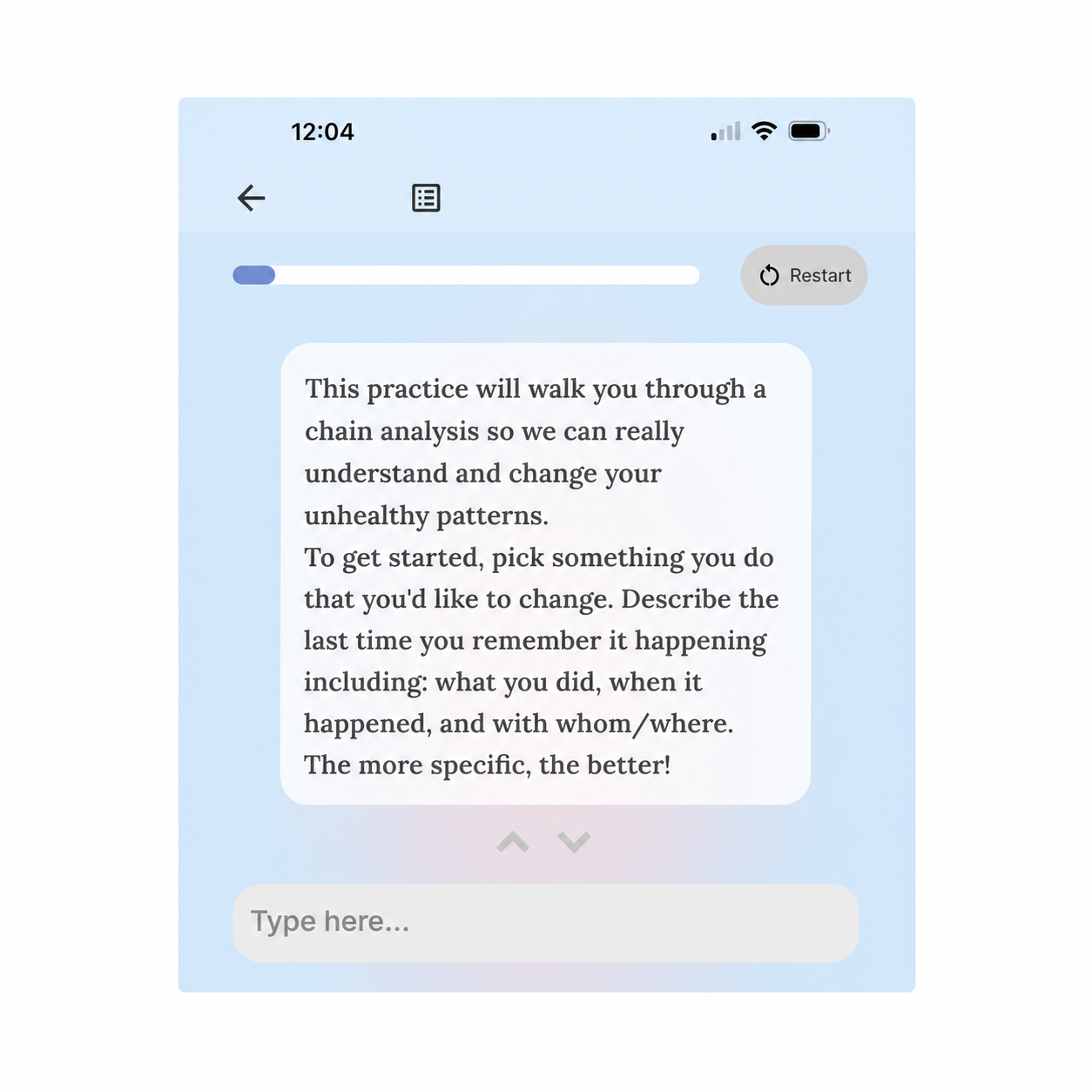
KulaMind is fully virtual. The live sessions are one hour per week and the recordings are available if you want to learn at your own convenience. The self-paced course materials and digital practices are designed to fit into the in-between moments of your day, not require you to carve out hours you don't have. You can practice your skills for 5 minutes a day while brushing your teeth, sitting in a waiting room, or right before bed while scrolling through your phone.
-
Life happens. Missing a session doesn't mean you've fallen behind.
All live sessions are recorded, so you can catch up on your own time. The self-paced materials are always available. And the community is there between sessions too, so you're never waiting a full week to get support or connection.
We'd love for you to make it live whenever you can, because the group dynamic is genuinely powerful and you can get your questions answered in real time. But we designed the program knowing that the people joining it are already stretched thin.
-
The KulaMind AI practice tools are not a general-purpose chatbot. It's trained specifically on clinical methods and the frameworks we use in the program: DBT, ACT, and CRAFT. It's designed to deliver reflective prompts, guide skill practice, and help you apply what you're learning to real situations.
It won't give you therapeutic advice or make clinical assessments. It's more like a guided practice partner than anything else.
Your privacy matters to us. We take data security seriously and do not share your information.
-
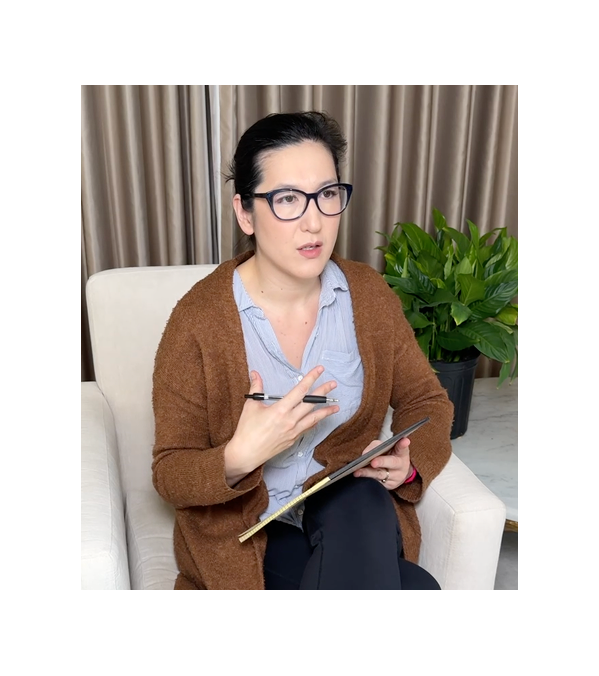
Hi, it’s Kibby here! I'm the one leading the live weekly sessions. I'm the one who developed the curriculum, trained the AI tool on my clinical methods, and built this program from the ground up.
I have a BA from Columbia University, PhD in clinical psychology from Duke University (in their DBT clinic) and trained at Weill Cornell's Personality Disorders Institute, one of the leading centers in the world for BPD and NPD treatment. Before that, I built a fitness community in Durham that taught me everything about what it means to create a real kula, a group of people who show up for each other. Comment end