

For providers
A resource for your patients and the people in their lives

KulaMind is a virtual support program that helps patients and their loved ones regulate themselves, reduce burnout, and show up more steadily - so your therapy can work better.
Built to complement therapy, not compete with it
You’re doing the clinical work.
KulaMind supports what happens around the work.
We provide structure, tools, and peer support for people who are overwhelmed, dysregulated, or stuck in reactive patterns due to the mental health or addiction struggles of their loved ones.

Who KulaMind is helpful for
You might think of KulaMind when you have:
A patients partner who is burned out, reactive, or emotionally flooding
A patient’s parent whose dysregulation keeps derailing sessions
A support person who needs help but won’t engage in therapy
A patient who feels isolated and wants connection with others navigating similar challenges
What support looks like
KulaMind is an all-in-one, virtual program that includes:
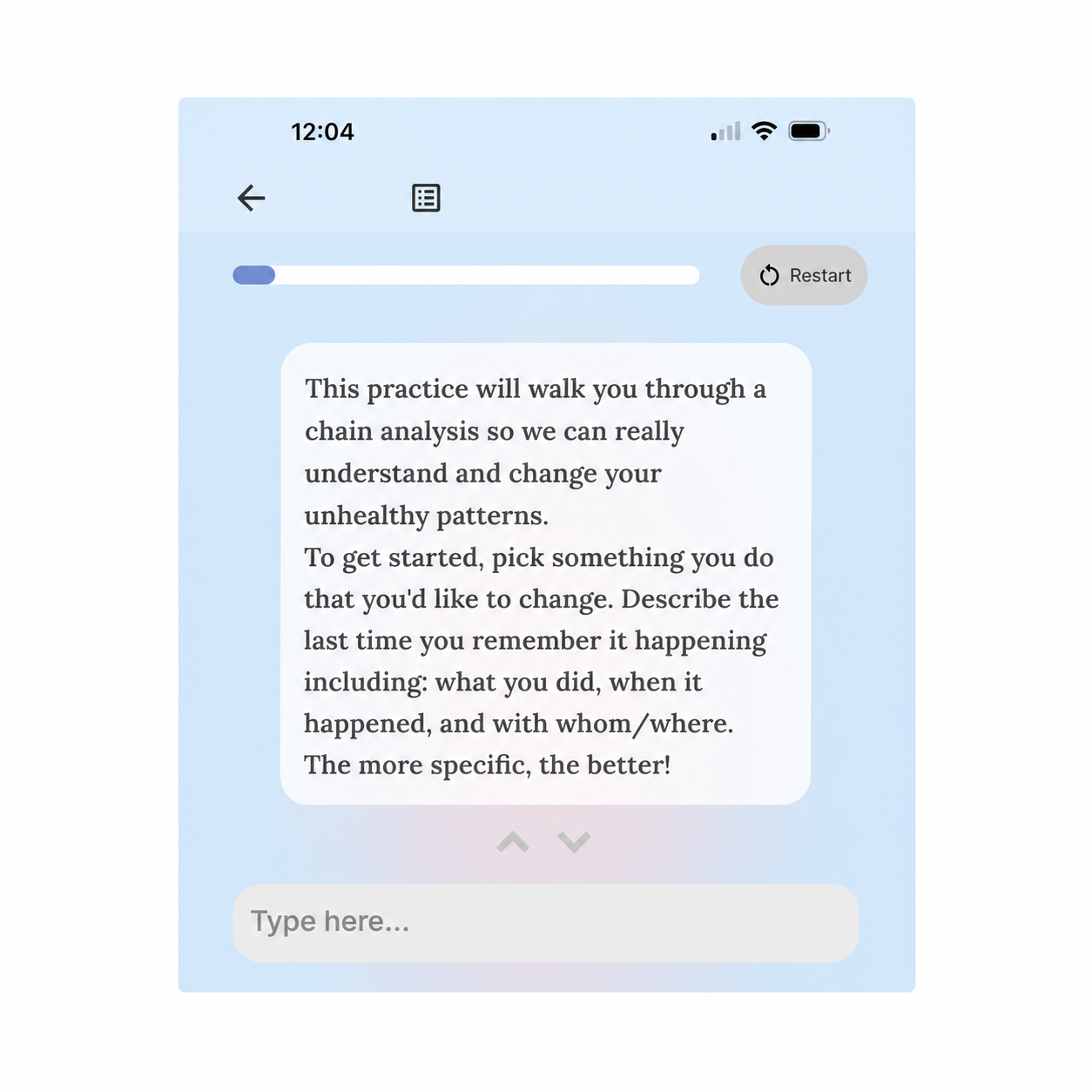
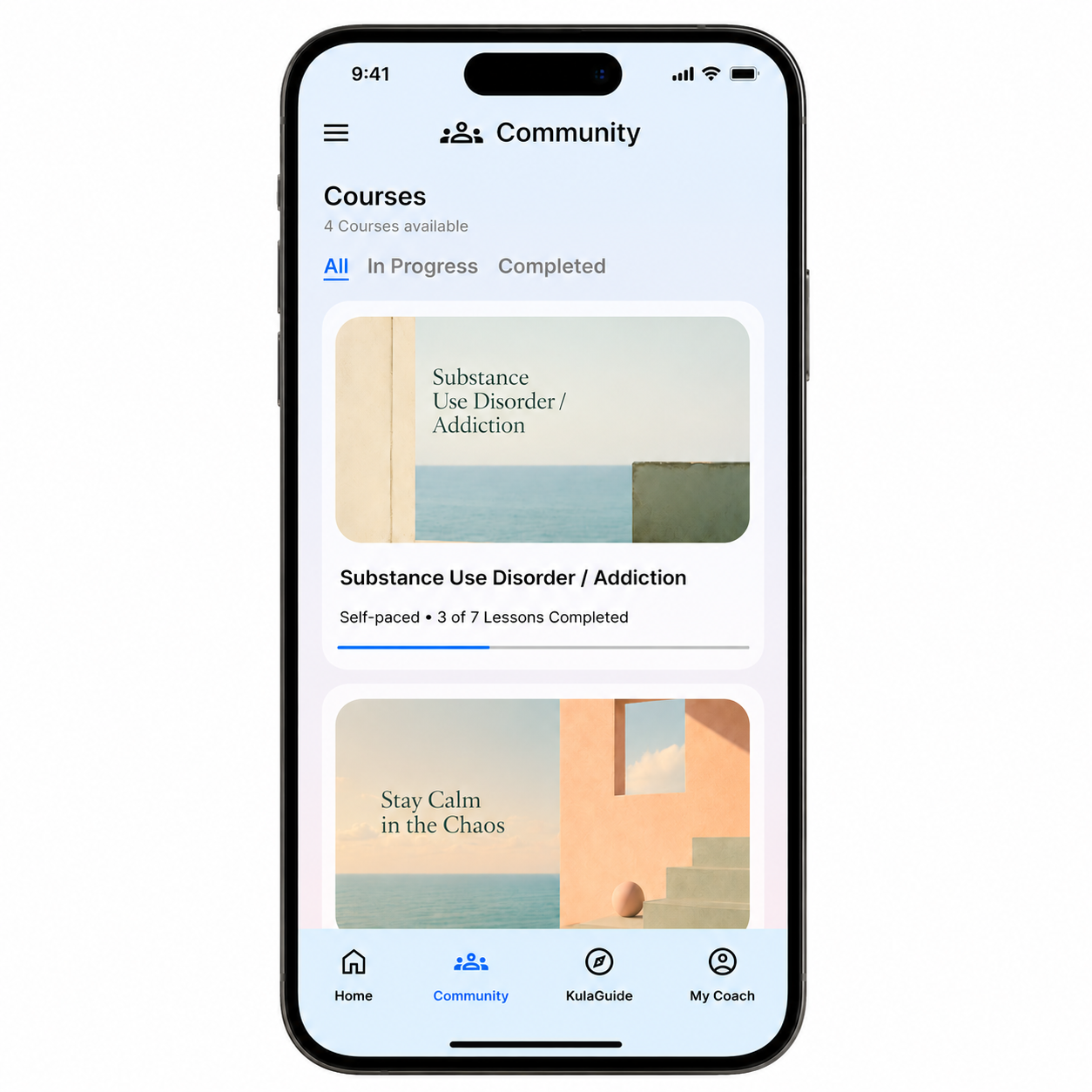
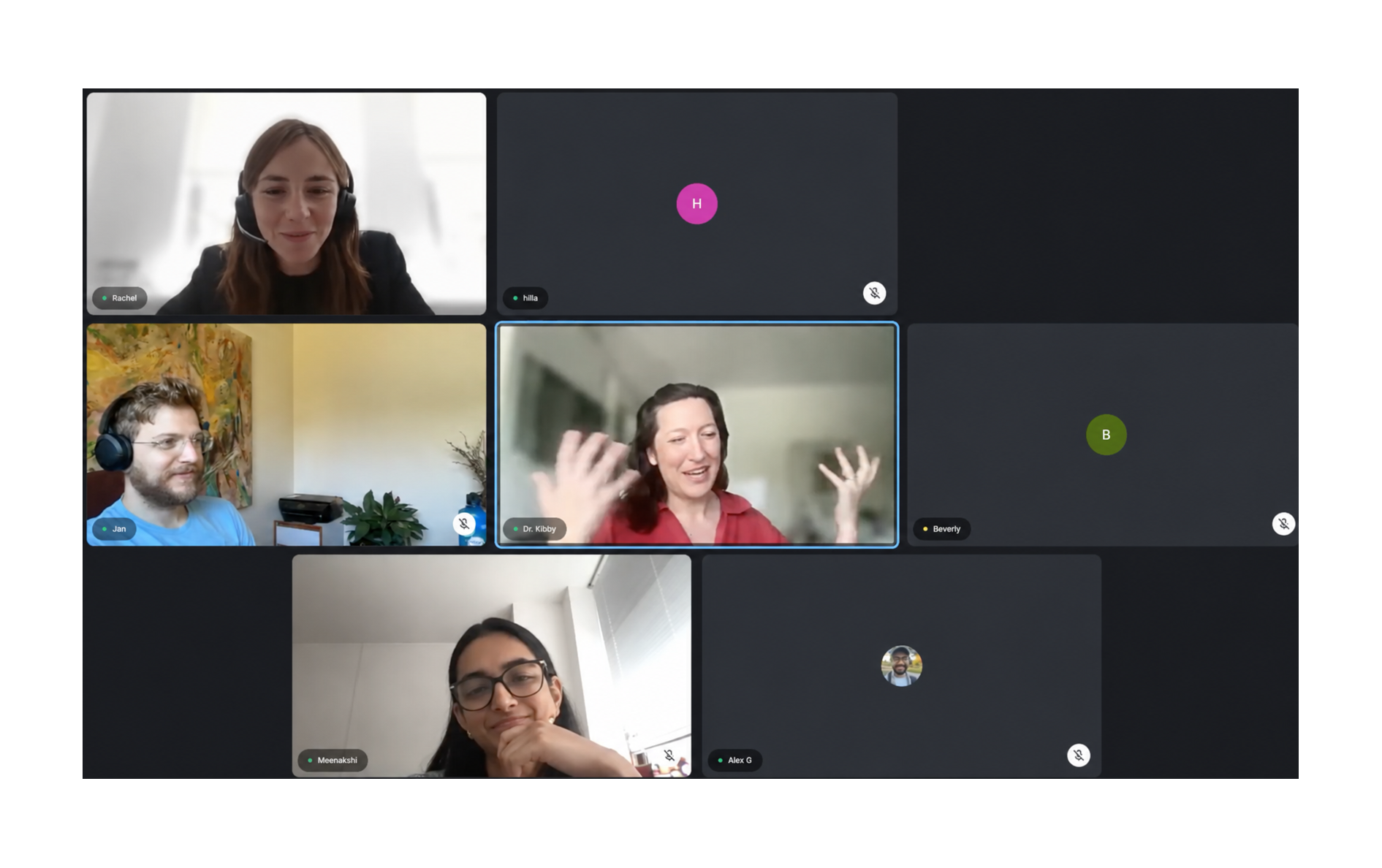
Refer your patient or someone in their circle
What providers can expect
Simple referral process
Send patients or people in their circle directly to us. We’ll take it from there.

Evidence-based care
Our 12-week course is led by a team of clinicians and coaches grounded in real clinical understanding and evidence-based strategies.
Timely, flexible support
We offer self-paced, AI-guided practices, and a community space where people have access to thoughtful guidance on their term
Collaborative care
We’re not a replacement for traditional therapy, we’re an extra layer of help.
What changes (and what doesn’t!)
What often improves
Reduced burnout and emotional reactivity

Clearer boundaries and calmer communication
More capacity to support their loved ones without escalating
What doesn’t change
The patient overnight

The clinical role you play
The complexity of the situation
When patients join directly
Some patients choose KulaMind themselves, not for therapy, but for connection and support alongside their care.
This can be helpful for patients who:
Want peer support
Benefit from regulation tools between sessions
Need structure that reinforces, rather than replaces, therapy

Lets make the circle of care a little bigger
