

Listen to our weekly mental health podcast:
“A Little Help For Our Friends”
A podcast by KulaMind, hosted by Founder Dr. Kibby McMahon, created for anyone navigating the mental health or addiction struggles of others. Each episode dives into what’s really going on beneath the surface, why people struggle, how it impacts you, and what can actually help. We cover a range of topics like dealing with toxic relationships, narcissism, boundaries, family dynamics and more, always with warmth, honesty, and expert insight.


Episodes
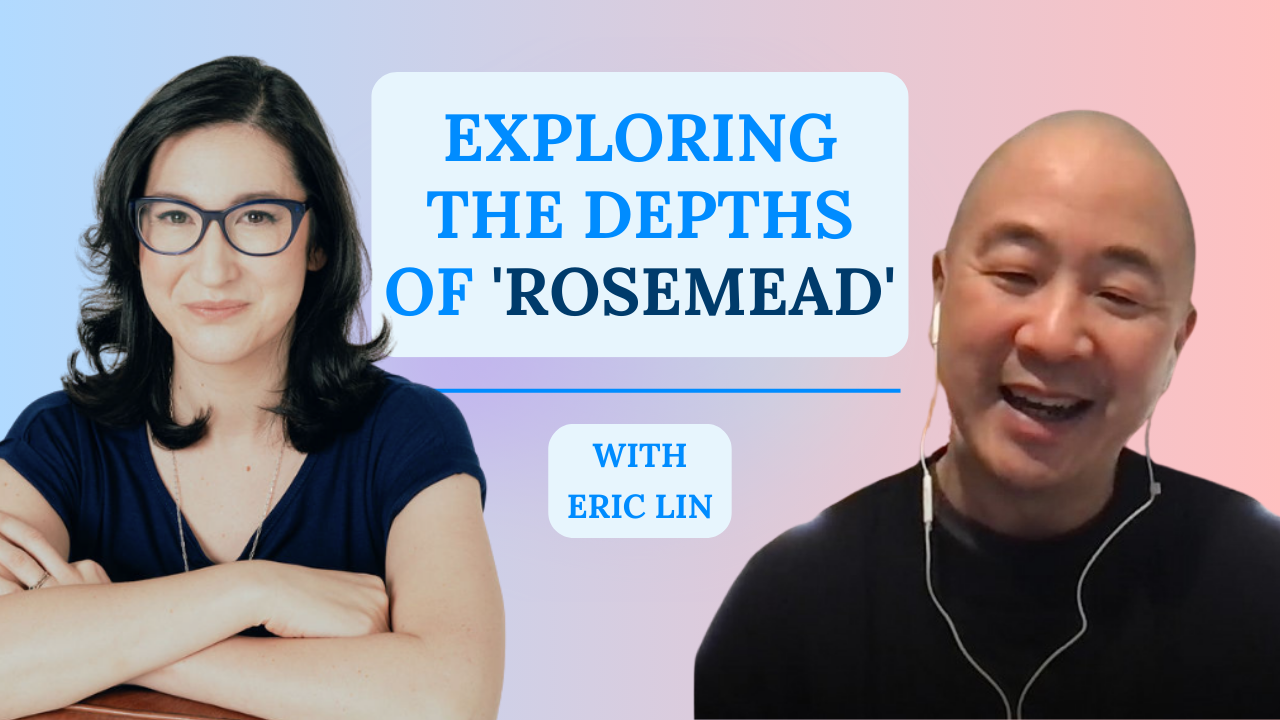
Ep. 171-Interview with "Rosemead" director Eric Lin: Turning an Haunting True Story into a Conversation about Stigma
How do you turn a haunting true story about family mental illness into a national conversation about stigma? This is the third and final episode of the series diving into the movie "Rosemead," a moving true story about how a Chinese immigrant mother (played by Lucy Liu) faces schizophrenia, stigma, and the fear of becoming a burden. In this episode, director Eric Lin shares how he was able to create such a honest, complex portrait of mental illness in a marginalized family.
Eric opens up about seeing his own family dynamics reflected in the script: the pressure to appear strong, the instinct to hide hard truths, and the painful isolation that grows when a community doesn’t have the language or resources to help. We go behind the camera to explore how the team built an honest, human portrayal of psychosis. Eric drew from first-person accounts and documentaries to shape psychotic episodes that feel present yet accessible. That craft choice keeps Joe grounded in our empathy rather than lost in stereotype. We also confront the delicate thread tying public fear of mass shootings to mental illness, and why the film refuses sensational shortcuts while acknowledging a parent’s very real terror.
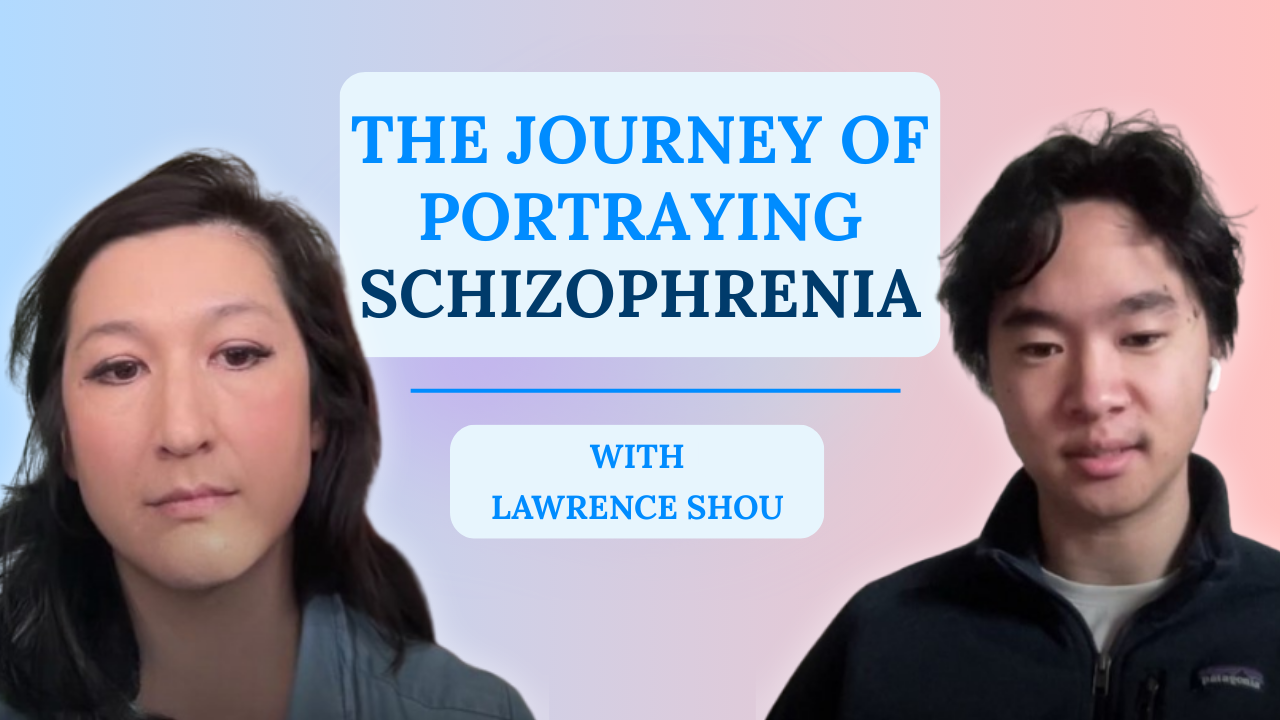
Ep. 170-Interview with "Rosemead's" Lawrence Shou: Schizophrenia And A Mother’s Love
A headline never tells the whole story, and the movie "Rosemead" refuses to let us look away. In this episode, star of "Rosemead," Lawrence Shou, unpacks a true-story-inspired film about a Chinese immigrant mother (played by Lucy Liu), a teenage son named Joe (Shou) navigating schizophrenia, and the quiet heartbreak that unfolds when love collides with stigma and a patchwork mental health system. Lawrence brings us inside his process of weeks of research, clinician interviews, and on-set practices that made his performance so hauntingly real.
Our conversation traces how psychosis actually presents: not just shouting or destruction, but blankness, withdrawal, and a mind overloaded by grief and fear. Lawrence explains how Joe’s symptoms are shaped by trauma and context, including anxiety about mass shootings and the loss of his father. We talk about cultural pressures in immigrant families: why silence can feel safer than asking for help and how that silence magnifies risk.
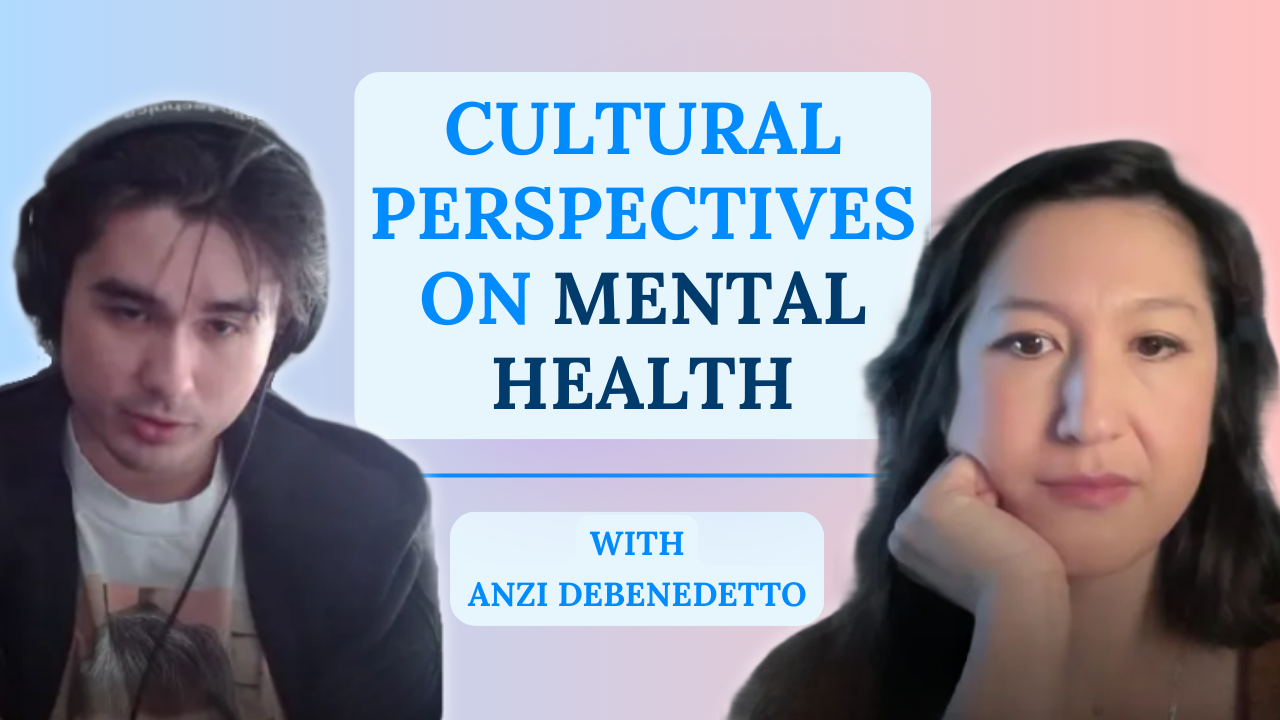
Ep. 167-Interview with "Rosemead's" Anzi DeBenedetto: How family and friends fail when loving someone with mental illness
A mother, a son, and a community caught between love and stigma: the new movie "Rosemead" (produced by Lucy Liu) hits like a quiet earthquake. After watching the early screening, I ugly-cried when I found out that it was based on a true story. Because the story tackles the complexities of loving someone with mental illness, I just had to talk about it here. In this episode, I sit down with "Rosemead" actor Anzi De Benedetto to unpack how a true story about schizophrenia, grief, and culture moves beyond clichés and into the messy details of real life. What does support look like when friends don’t have the right language? How does a family navigate care when stigma and “face” loom over every choice?
Anzi shares his path to the role of Stan, a well-intentioned friend whose lighthearted validation brings comfort, but only to a certain level. We explore the line between empathy and minimization, the moment when a “pep talk” must give way to professional help, and why understanding psychosis as an ongoing condition, not just a singular event. The conversation expands into the cultural dynamics inside Chinese American communities depicted in the film.
Have a podcast idea or want to collaborate?
We’d love to hear from you. If you have an idea for a podcast episode, are interested in being a guest, or would like us to join your show - reach out!
