

Listen to our weekly mental health podcast:
“A Little Help For Our Friends”
A podcast by KulaMind, hosted by Founder Dr. Kibby McMahon, created for anyone navigating the mental health or addiction struggles of others. Each episode dives into what’s really going on beneath the surface, why people struggle, how it impacts you, and what can actually help. We cover a range of topics like dealing with toxic relationships, narcissism, boundaries, family dynamics and more, always with warmth, honesty, and expert insight.


Episodes
Ep. 176- Healing with Plant Medicine: A New Path to Trauma Recovery for Cancer Survivors
In this deeply personal episode, Dr. Kibby shares her transformative experience at a healing retreat for breast cancer survivors, centered around a special plant medicine.
Can alternative forms of mental health treatment heal wounds that even therapy can't touch? In this episode, Dr. Kibby recounts journey of deep healing through plant medicine, facilitated by a supportive community of women and guided by expert facilitators. Alternative treatments like plant medicine (of all different types) offer new ways of addressing deep trauma. Dr. Kibby participated in a plant medicine healing retreat for breast cancer survivors, organized by The Survivorship Collective. What she thought was going to be just a fun week turned into a life-changing experience.
Ep. 175- Complex Post Traumatic Stress Disorder (cPTSD): What is it and how does it compare to borderline personality disorder
This episode describes what complex Post Traumatic Stress disorder (cPTSD) is, how it's diagnosed, and how it's different to similar disorders like PTSD and borderline personality disorder. This episode was inspired by the angry comments on Dr. Kibby's latest reel on spotting emotion dysregulation in borderline personality disorder.
When someone has a history of childhood trauma and they struggle with intense emotions, self-esteem issues, and relationship problems- what disorder do they have? In this episode, Dr. Kibby delves into the criteria for complex PTSD, which is still not an official disorder in the DSM-V. Yet, so many people struggle with symptoms from long, painful histories of trauma that has shaped their entire lives and personalities.
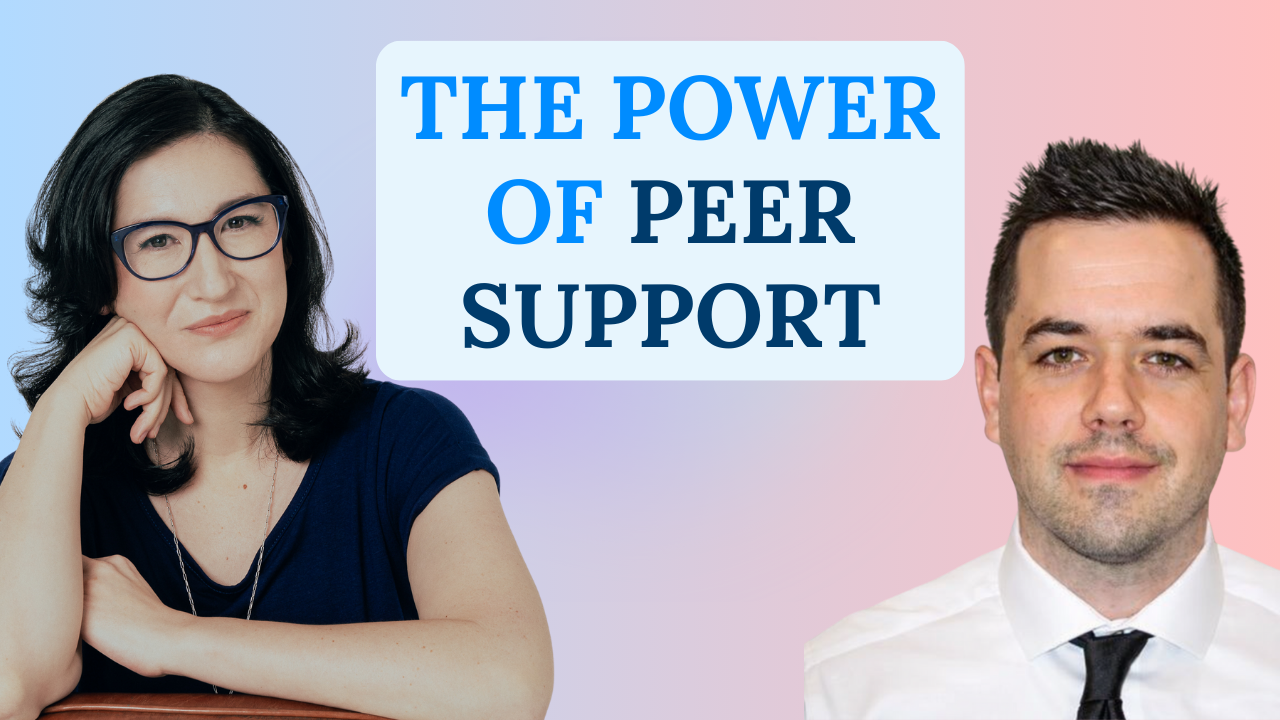
Ep. 174-How Peer Support Is Filling Gaps When Traditional Mental Health Care Fails with Mike Meaney
This episode is an interview with Mike Meaney, CEO and founder of One Small Step that provides peer support to people with mental health and addiction crises. He discusses his own personal recovery journey that inspired him to become a certified peer.
Most of us underestimate how critical peer support can be in mental health and addiction recovery- until we hear stories like Mike’s, who turned his personal struggles into a groundbreaking platform that saves lives during nights and weekends when traditional help is scarce.
In this powerful episode, Mike Meaney shares his deeply personal journey from blackout drinking at 16 to building a platform for certified peer support that’s transforming mental health care. Dr. Kibby and Mike discuss how lived experience combined with innovative technology is closing gaps in access, especially when emergency services aren’t the right answer.
Ep. 173-The Man-Child Syndrome: The Psychology of Men Who Refuse to Grow Up
In this episode, Dr. Kibby breaks down the psychology behind the "Man-Child Syndrome," when men stay emotionally immature and avoid real responsibility.
Do you know a grown man who clearly wants to stay a boy forever? Maybe he's fun, charismatic, adventurous and creative but...he runs away from adulthood. He's afraid of commitment, avoids responsibilities, and expects everyone else to take care of him. If so, you're familiar with the Man-Child Syndrome.
Dr. Kibby analyzes the "Man-Child" (also called the "Peter Pan Syndrome") and discusses the tell-tale signs of a man-child, what's underneath the boyish behavior, and how psychological theories explain why he refuses to grow up. At the core of this type of toxic immaturity is the avoidance of the hardships of adult life: the tedious work of building a career, the mundane problems of a serious relationship, and the pain of going out of our comfort zones. The Man-Child runs away from any limitations to his freedom and fun, but that usually means he's taking advantage of someone in the process.
This episode also discusses how the Man-Child syndrome is a growing form of narcissism: Men lost in fantasies, too special to suffer like ordinary people, and avoidant of accountability. All of these tendencies point to traits of narcissistic personality disorder, even if it's hard to spot at first.
If you're struggling with a man-child and need support, check out for real skills and community for dealing with this toxic relationship.
Ep. 172-From Toxic Patterns to a Healthy Marriage: 5 Mindset Shifts To Find "The One"
This episode shares five mindset shifts that helped Dr. Kibby stop chasing toxic relationships and finally find a real life partner.
How do you know when you've found "the one"? Disney movies and rom coms aside, how do we even figure out who should we spend the rest of our lives with? Dr. Kibby breaks down the five giant shifts in perspective that led her to the right husband: choosing a partner who can truly care for you “in sickness and in health,” ending the urge to heal childhood wounds by repeating old patterns, prioritizing someone who will be a strong co-parent, and valuing a partner who can reliably handle life’s logistics. If you’ve felt like you’re parenting a grown adult, walking on eggshells, or stuck in the same exhausting cycle, these shifts offer a practical path out- grounded in therapy breakthroughs, grief work, and different choices from day one.
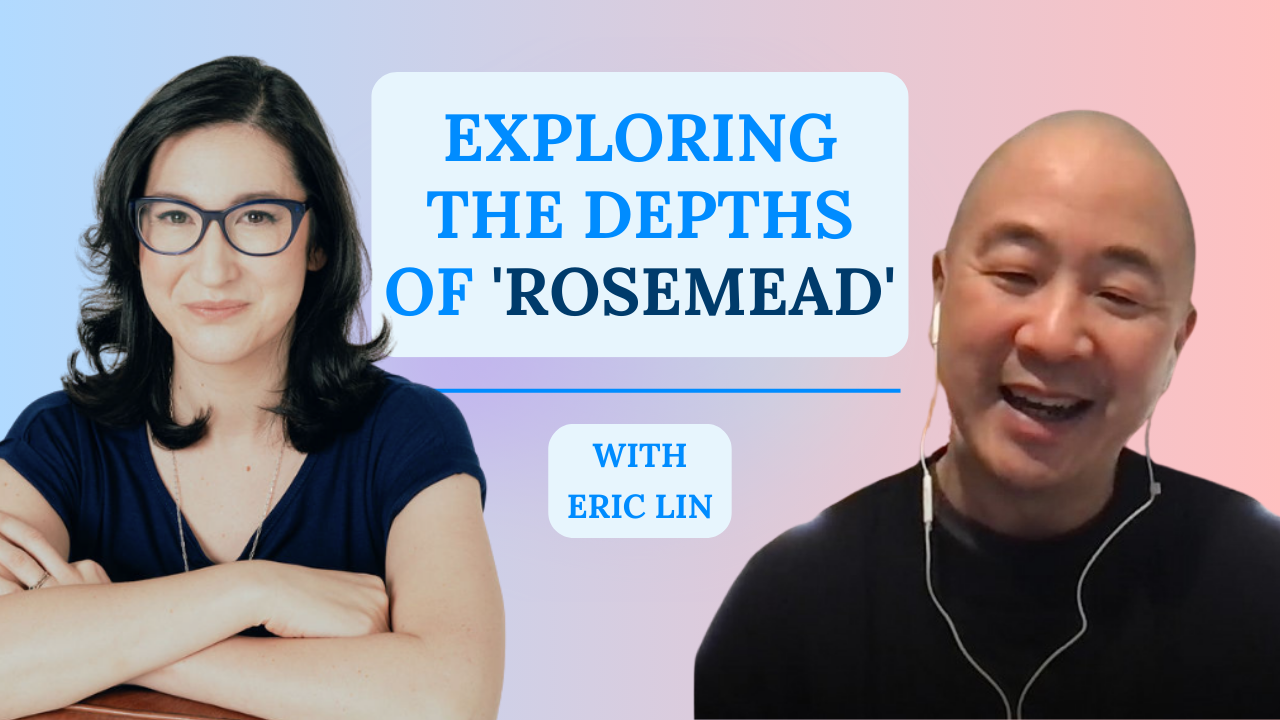
Ep. 171-Interview with "Rosemead" director Eric Lin: Turning an Haunting True Story into a Conversation about Stigma
How do you turn a haunting true story about family mental illness into a national conversation about stigma? This is the third and final episode of the series diving into the movie "Rosemead," a moving true story about how a Chinese immigrant mother (played by Lucy Liu) faces schizophrenia, stigma, and the fear of becoming a burden. In this episode, director Eric Lin shares how he was able to create such a honest, complex portrait of mental illness in a marginalized family.
Eric opens up about seeing his own family dynamics reflected in the script: the pressure to appear strong, the instinct to hide hard truths, and the painful isolation that grows when a community doesn’t have the language or resources to help. We go behind the camera to explore how the team built an honest, human portrayal of psychosis. Eric drew from first-person accounts and documentaries to shape psychotic episodes that feel present yet accessible. That craft choice keeps Joe grounded in our empathy rather than lost in stereotype. We also confront the delicate thread tying public fear of mass shootings to mental illness, and why the film refuses sensational shortcuts while acknowledging a parent’s very real terror.
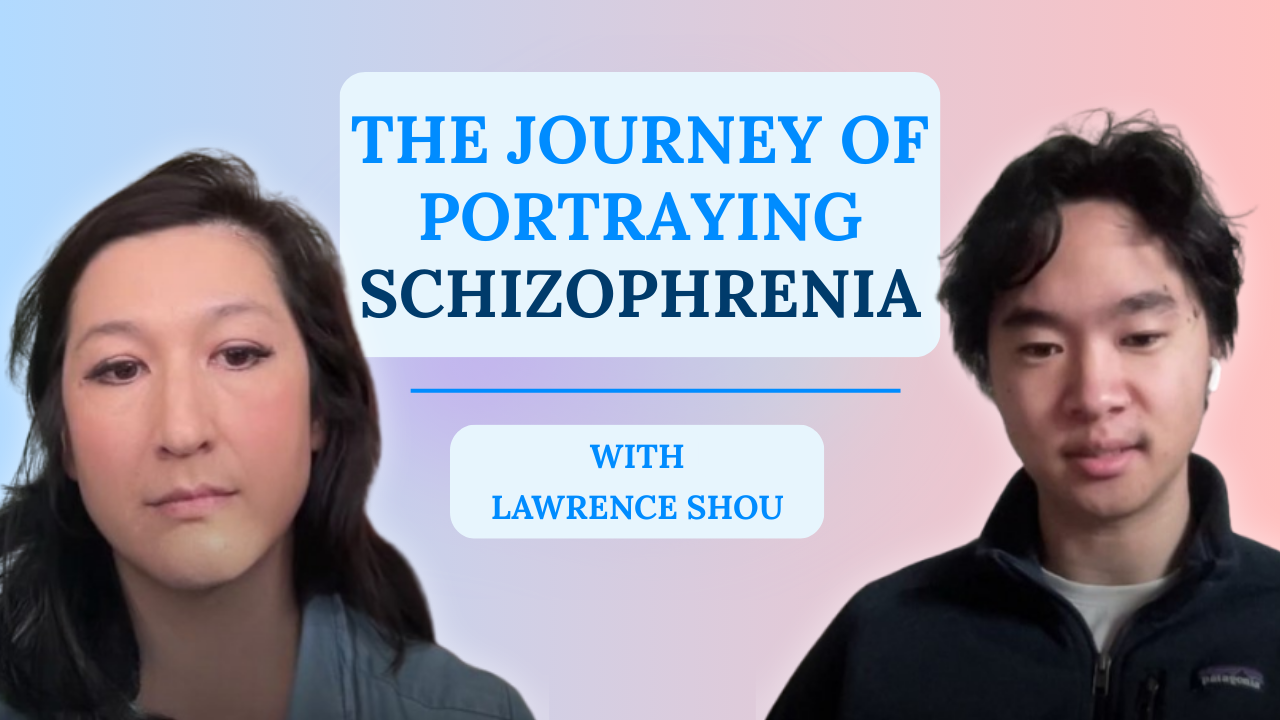
Ep. 170-Interview with "Rosemead's" Lawrence Shou: Schizophrenia And A Mother’s Love
A headline never tells the whole story, and the movie "Rosemead" refuses to let us look away. In this episode, star of "Rosemead," Lawrence Shou, unpacks a true-story-inspired film about a Chinese immigrant mother (played by Lucy Liu), a teenage son named Joe (Shou) navigating schizophrenia, and the quiet heartbreak that unfolds when love collides with stigma and a patchwork mental health system. Lawrence brings us inside his process of weeks of research, clinician interviews, and on-set practices that made his performance so hauntingly real.
Our conversation traces how psychosis actually presents: not just shouting or destruction, but blankness, withdrawal, and a mind overloaded by grief and fear. Lawrence explains how Joe’s symptoms are shaped by trauma and context, including anxiety about mass shootings and the loss of his father. We talk about cultural pressures in immigrant families: why silence can feel safer than asking for help and how that silence magnifies risk.
Ep. 169-Why 2025 Was a Lonely Year And How To Rebuild Connection
Well, 2025 is almost over and by all accounts, it was one of the hardest for mental health across America. The past year felt like emotional sandpaper: unstable jobs, AI anxiety, and a constant stream of obligations that made even simple days feel crowded. Beneath all that noise, a quieter force did much of the damage: loneliness. In this episode, Dr. Kibby unpacks why January often hits hardest after the holidays, why being surrounded by people can still feel empty, and how one-way relationships quietly burn us out.
Dr. Kibby discusses a candid look at over-giving, how being so focused on other people can lead to a sneaky sense of loneliness. She breaks loneliness into three solvable parts: 1. Building real emotional support, 2. Being seen for who we really are, and 3. Restoring reciprocity so care flows both ways.
Ep. 168-Detoxing From People Pleasing: Breaking Free of the "Echo-Narcissus Syndrome" And Becoming Your Own Authority
Ever felt like your worth depends on how useful you are to other people? Turning the big 4-0 pushed me to confront a lifelong habit of people pleasing. In this episode, I talk about people pleasing: how it took root in chaos, hid behind “being nice,” and quietly drained my energy, confidence, and joy. I unpack what research says about what "people pleasing" is, how chronic pleasing links to mental health issues, and why so many of us end up orbiting charismatic "takers" who love the spotlight while we shrink to keep them happy.
I dig into the "Echo- Narcissus Syndrome": the dynamic between a people-pleaser and a narcissist. I talk about my own tendency to fall into the Echo-Narcissus Syndrome and how it's destroyed my relationships in the past. Then I walk through the practical, evidence-based strategies for breaking free of this syndrome. I'm learning to receiving without guilt, choosing mutual relationships over one-way giving, and navigating holiday pressures without abandoning myself.
Ep. 167-Interview with "Rosemead's" Anzi DeBenedetto: How family and friends fail when loving someone with mental illness
A mother, a son, and a community caught between love and stigma: the new movie "Rosemead" (produced by Lucy Liu) hits like a quiet earthquake. After watching the early screening, I ugly-cried when I found out that it was based on a true story. Because the story tackles the complexities of loving someone with mental illness, I just had to talk about it here. In this episode, I sit down with "Rosemead" actor Anzi De Benedetto to unpack how a true story about schizophrenia, grief, and culture moves beyond clichés and into the messy details of real life. What does support look like when friends don’t have the right language? How does a family navigate care when stigma and “face” loom over every choice?
Anzi shares his path to the role of Stan, a well-intentioned friend whose lighthearted validation brings comfort, but only to a certain level. We explore the line between empathy and minimization, the moment when a “pep talk” must give way to professional help, and why understanding psychosis as an ongoing condition, not just a singular event. The conversation expands into the cultural dynamics inside Chinese American communities depicted in the film.
Ep. 166-Holiday Survival Roadmap For Dealing with Your Dysfunctional Family
Holiday gatherings promise connection, but so many of us walk in bracing for old patterns: the comment that lands like a dart, the sibling rivalry that never grew up, the invisible work of keeping the peace. In this episode, I delve into why this season can feel so raw and how to survive it when your family reunions don't resemble a Hallmark card.
I also talk about this year’s surge in anxiety and grief, the rise in estrangement, and the isolation that lingers after the holiday lights come down in January. This time might be stressful under normal circumstances, but it's a whole other thing when you have dysfunctional or even "toxic" family.
Ep. 165-Breaking the Deadlock: How To Flip The Switch on Constant Conflict
Ever feel a conversation snap from “let’s talk” to “we’re yelling” in seconds? When you find yourself butting heads with someone over a "sensitive" topic, it can seem impossible to get on the same page. In this episode, I unpack a research-backed way to dissolve stalemates and actually influence change without steamrolling the person you love. The trick isn’t the perfect comeback: it’s validation, or "tactical empathy."
I talk about the clinical science behind validation that reveals why it's so powerful biologically. Then I talk through practical steps for using validation to go from talking AT each other to talking TO each other. These strategies lowers defensiveness, overwhelm, and hostility. Then, I walk through everyday examples (from talking about drinking and mental health to bedtime battles with a stubborn toddler)and show how to pivot from adversaries to teammates facing the same problem.
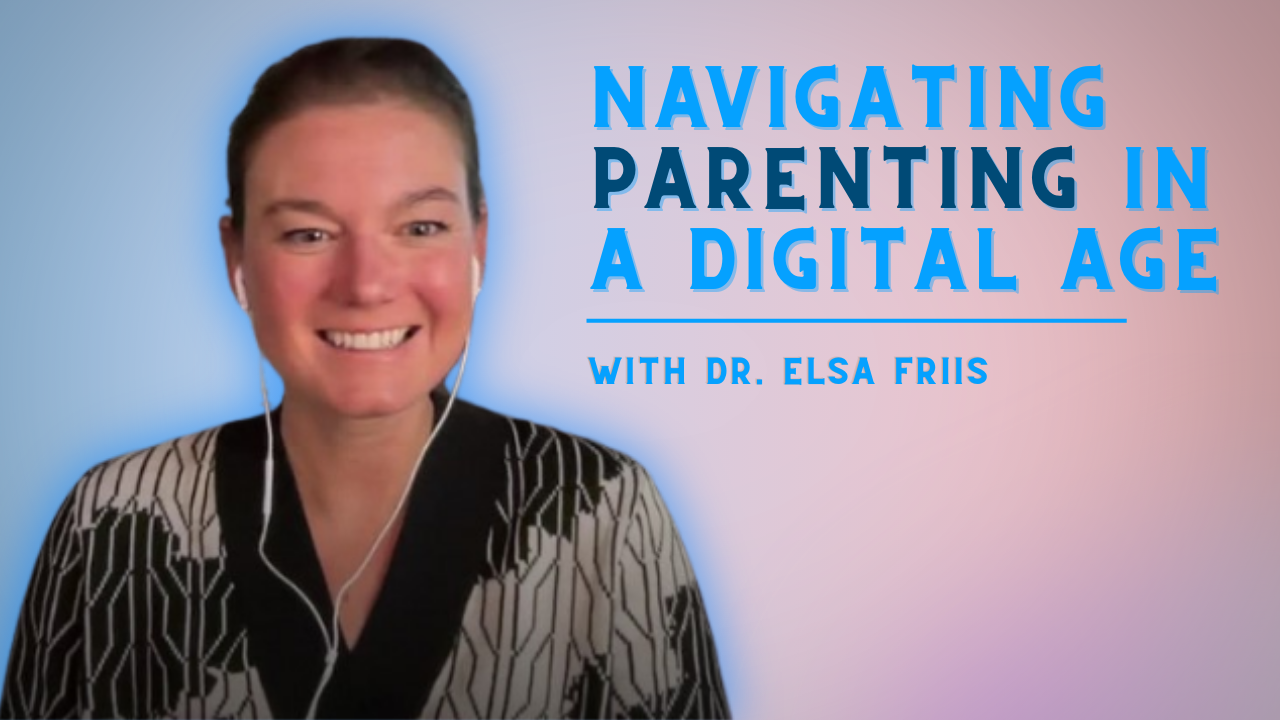
Ep. 164-Interview with Dr. Elsa Friis: How Parents Can Tackle Taboo Topics Without Breaking Connection
Are you avoiding talking to your kids about topics that are just...awkward? In this episode, I chat with Dr. Elsa Friis, clinical psychologist and VP of Product at Alongside, to unpack a practical way to tackle taboo topics (sex, porn, consent, screens) without burning the bridge you’re trying to build.
Dr. Friis takes us from a group home with twelve boys to community-led parenting programs in Kenya, showing how cultural humility changes results. Warmth, respect, and safety are universal, but a mismatch in how love is shown fuels conflict. We dig into concrete tools: visual schedules that calm bedtime battles, shared calendars that grow autonomy, and “ice cream chats” that make awkward feel doable. We outline scripts for starting the sex conversation early, framing online exposure without shame, and setting boundaries that still invite honesty.

Ep. 163- Interview with Dr. Geoffrey Grammer: New Frontiers in Treating Depression When Meds Fail
What if you've tried everything, but are still depressed? Did you know that one third of people with depression don’t get enough relief from antidepressants? In this episode, I talk to psychiatrist and CMO of Neuronetics, Dr. Geoffrey Grammer, about what should people do when our mainstream treatments for depression fails us. He sheds light on new advancements for treatment-resistant depression: transcranial magnetic stimulation (TMS) and nasal esketamine, two evidence-based treatments that target the brain differently and raise the odds after meds stall.
We first talk about just how disappointing traditional medications and psychotherapies can be for chronically depressed patients. Then, Dr. Grammer explains how TMS works (precise, noninvasive brain stimulation that strengthens underactive mood circuits), what a session feels like, timelines for improvement, and why side effects are minimal compared to systemic drugs. We also explore nasal esketamine (Spravato) and how it works. Along the way, we dig into augmentation meds, common pitfalls, and the role of psychotherapy in turning short-term gains into lasting change.
Ep. 162- Interview with Dr. Marcus Rodriguez: Parenting Young Adults Through Anxiety, Anger, And Algorithms
What if the “problem behavior” you see- anger, anxiety, avoidance, endless scrolling- is your kid’s way of shielding against something deeper? In this episode, I chat with Dr. Marcus Rodriguez, director of the Youth and Family Institute and tenured professor at Pitzer College, about what parents can do when their young adult children struggle with adulting. We dig into when these young adults hit a wall, their nervous systems recruit anger, anxiety, and shame to avoid the pain of “I can’t.” Understanding that function changes how we respond at home.
With DBT expert Dr. Rodriguez, we unpack why this generation can be deeply caring and also overwhelmed by information designed to agitate. From algorithm-driven feeds that reward outrage to climate fear and economic uncertainty, young people face a flood of threats their brains aren’t built to regulate alone. We talk about wild cases of kids getting trapped in upsetting content loops and what media literacy and parent coaching can do to break that cycle.

Ep. 161- Making You the Villain: The Gaslighting Effect of Projection
Ever walk away from a conversation feeling like the villain in someone else’s story? In this episode, I dig into projection—the defense that pushes a person’s unwanted traits and feelings onto you—and show how it warps reality, fuels gaslighting, and leaves loved ones doubting their own character.
I break down the differences between borderline personality disorder and narcissistic personality disorder in plain terms: emotion dysregulation versus self-image dysregulation, and how people with both disorders often project onto their loved ones. I also talk about my training in Transference Focused Psychotherapy to illustrate how expert clinicians address patients who don't want to take accountability for their own insecurities.

Ep. 160- So Long, Co-Host; Hello, Crippling Self-Doubt and New Frontiers
Little Helpers, this is a new era for this community: This is my first episode as the solo host of "A Little Help For Our Friends." It's Dr. Kibby and we're saying goodbye to my beloved co-host, Jacqueline Trumbull as she moves on from this podcast. This will be a new phase focused on what made this community matter from day one: centering caregivers, loved ones, people-pleasers, and supporters who carry the unseen weight of mental illness and addiction.
I revisit the show’s roots in evidence-based tools and how it grew into something braver—real stories about dating, divorce, near-death experiences, and the messy work of healing. I cover ethical storytelling, protecting privacy, and navigating the fallout when personal narratives collide with public platforms, including (gasp!) a legal threat.

Ep. 159- Interview with Jordon Monroe: Healing Narcissism With Honesty And Heart
To open Season 6 with a bang, we start where most hot takes end: with a self-aware narcissist describing his collapse, the shame behind the mask, and the painstaking choices that made empathy real. Jordan Monroe, a former tech founder turned emotional healing coach, joins us to explore a grounded path out of grandiosity, defensiveness, and reality wars—without dismissing the deep harm survivors endure.
We dig into what actually shifts behavior. Jordan explains why many narcissists don’t lack empathy so much as defend against it, and how guided “heart-opening” experiences help clients feel another person’s pain without spiraling. That visceral “ow” moment rewires daily habits: listening before defending, noticing a partner’s needs without being asked, and choosing small acts of care that build trust.

Ep. 158- Season 5 Wrap Up: Beating Cancer, Becoming a Psychologist, and Leaping into the Next Chapter
What happens when the hamster wheels we've been running on suddenly stop spinning? In this raw and deeply personal Season 5 finale, we pull back the curtain on our own mental health journeys over the past year, revealing the profound transformations that occur when life forces you to confront your deepest wounds.
Dr. Kibby shares her post-cancer emotional reckoning, describing how surviving treatment was just the beginning of her healing journey. The conversation turns to our viral self-hatred episode, exploring what happens when you finally see the wounds that have defined your life- and the grief that comes with that awareness.
Meanwhile, Dr. Jacqueline reflects on her transformative year completing psychology internship in New York, finding healing and validation after years of feeling misaligned in the public eye.
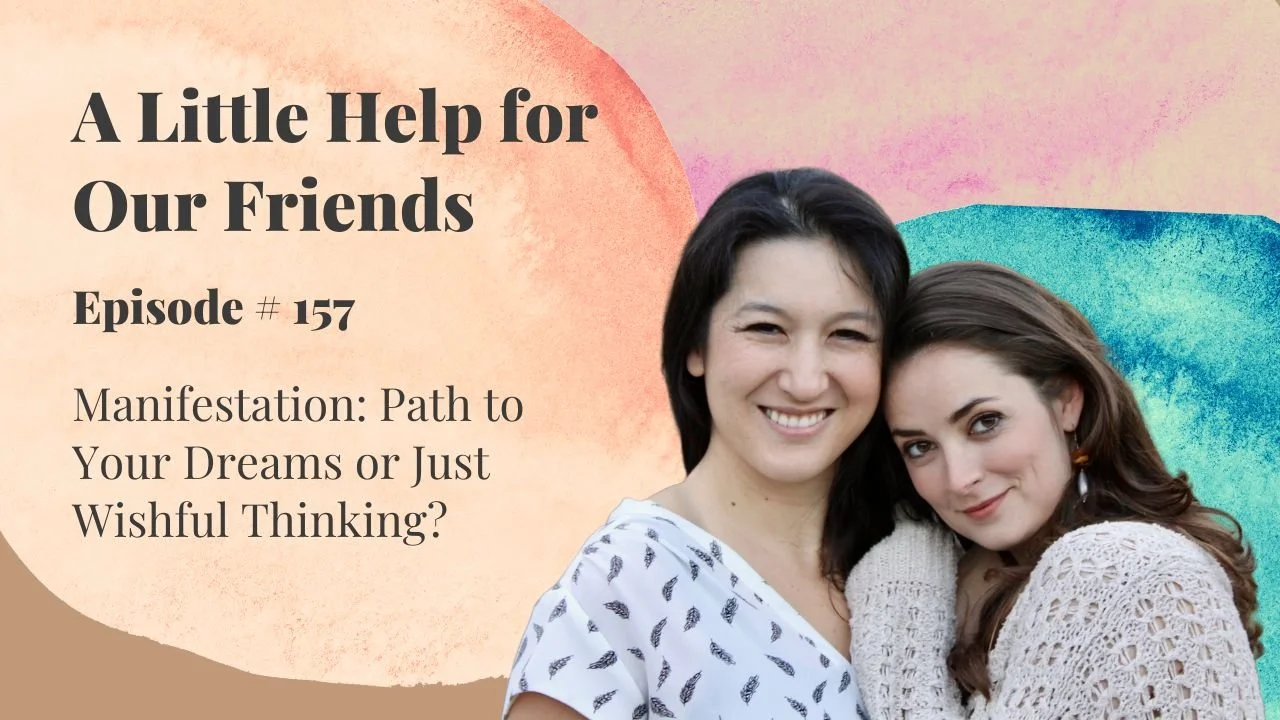
Ep. 157- Manifestation: Path to Your Dreams or Just Wishful Thinking?
What happens when two skeptical psychologists take a deep dive into the world of manifestation? In this episode, we take a look at what "manifestation" is, what is actually based in science...and then we try manifesting for real.
We start by acknowledging our initial skepticism about the idea that you can get everything you want just by thinking about it- a practice that became popular from the book "The Secret." But as we peel back the layers, we discover powerful psychological mechanisms that explain why some manifestation practices genuinely work.
Have a podcast idea or want to collaborate?
We’d love to hear from you. If you have an idea for a podcast episode, are interested in being a guest, or would like us to join your show - reach out!
