

Listen to our weekly mental health podcast:
“A Little Help For Our Friends”
A podcast by KulaMind, hosted by Founder Dr. Kibby McMahon, created for anyone navigating the mental health or addiction struggles of others. Each episode dives into what’s really going on beneath the surface, why people struggle, how it impacts you, and what can actually help. We cover a range of topics like dealing with toxic relationships, narcissism, boundaries, family dynamics and more, always with warmth, honesty, and expert insight.


Episodes
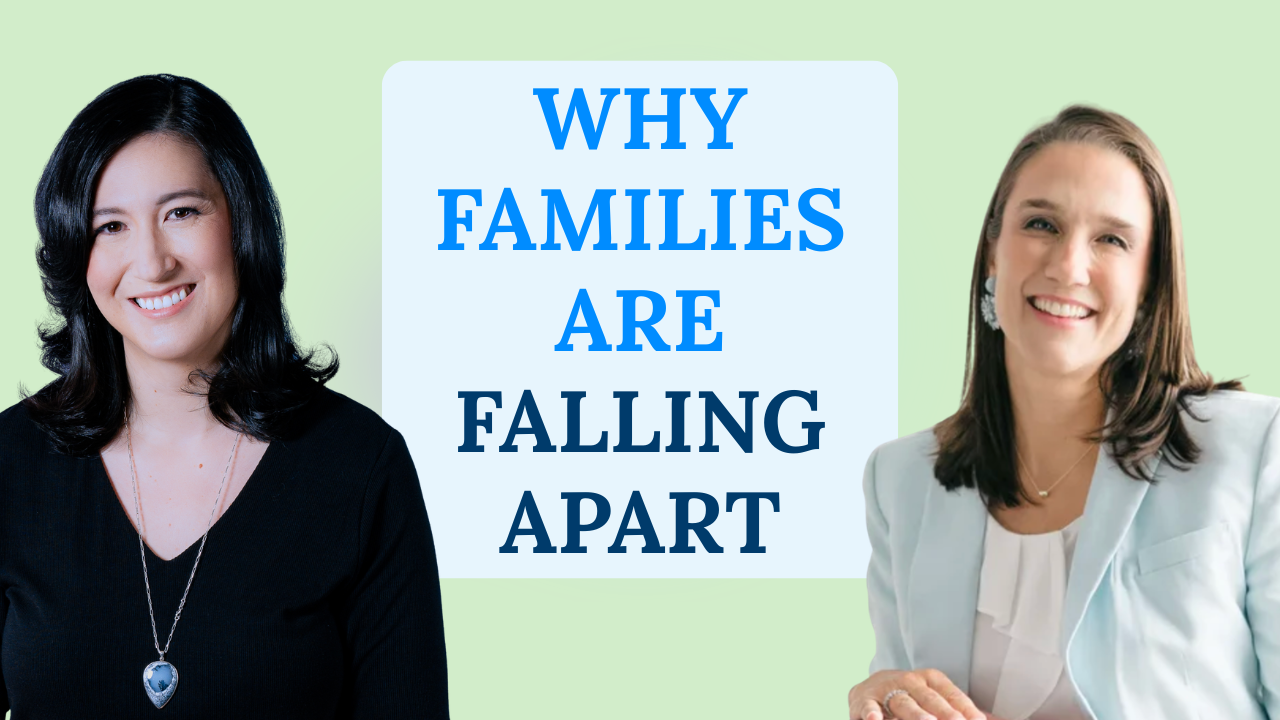
Ep. 195- The Generational Divide In Families: Bridging the Gap Between Boomer Parents and Millennial/ Gen-Z Children
In this episode, Dr. Amy Todey joins Dr. Kibby to talk about the generational divide in modern families and how families can navigate difficult relationships.
Are Boomer parents all narcissists? Or are the younger generations just fragile snowflakes? In this episode, Dr. Amy Todey joins Dr. Kibby to discuss how the generational divide in family relationships is deeper (and more fragile) than most of us realize. Dr. Amy Todey is a clinical psychologist who specializes in coparenting and family relationships. In this conversation, she reveals why conflicts between parents, adult children, and grandparents often stem from misaligned values and unspoken wounds, and how understanding these differences can lead to repair, not rupture. She shares surprising insights on why modern families fracture, how labels like "narcissist" obscure the real issues, and the quiet power of boundaries rooted in love and accountability. They also discuss the risk of the rise in "cut-off" or estrangement culture.
In this eye-opening conversation, you'll discover practical frameworks for navigating emotional safety and reconciliation across generations. Dr. Todey discusses the importance of honoring your own story while holding space for others’, offering concrete strategies to set boundaries without severing connections. She explores how societal shifts are fueling family conflicts, and what you can do to foster belonging despite these tensions. Dr. Kibby and Dr. Todey explore how to recognize when to cut off or lean in, the role of forgiveness in healing familial wounds, and the common pitfalls that keep families stuck in cycles of estrangement.
Ep. 194- BPD Rage: Why Anger in Borderline Personality Disorder Feels Uncontrollable and How Loved Ones Can Calm It
This episode explores the biology and nature of anger in borderline personality disorder ("BPD Rage") and practical strategies family members, friends and partners can use to respond to BPD rage.
Some people get angry, while some people just see red. In this episode, Dr. Kibby lifts the veil on what’s happening in the brain during these emotional storms and shares proven strategies to manage, soothe, and respond effectively. You might feel helpless as your loved one spirals into a rage that lasts for hours, fueled by triggers deep in their brain’s emotional wiring. Dr. Kibby unpacks why BPD rage is so overwhelming, rooted in hyper-reactive amygdalas, weak prefrontal regulation, and a cascade of shame and rejection fears. It's not about bad character or being "evil," but a biological response, amplified by social triggers like betrayal, abandonment, or misunderstood intentions. These emotional storms often appear suddenly, with the flip of a switch, and how they can mimic psychosis or demon-like behavior, leaving loved ones terrified and powerless. Dr. Kibby breaks down the neuroscience behind BPD rage, including the brain’s regulatory pathways.
Then, the conversation offers practical, research-backed communication techniques that help de-escalate these heightened states. Dr. Kibby shares specific scripts and real-life stories that reveal how these tools can prevent escalation, reduce personal attacks, and promote healing instead of blame. Learn why acknowledging the emotional experience, rather than dismissing it, is crucial for injury prevention and long-term connection. Most importantly, she emphasizes that setting boundaries around dangerous behavior isn’t about blame- it’s about safety and self-care. Whether you’re a parent, partner, or therapist, this episode offers a compassionate, no-nonsense blueprint to handle BPD rage.
Ep. 193- Youth in Crisis: What To Do When a Teen or Adolescent Wants To Hurt Themselves
This episode describes how to respond when a teen, adolescent or young adult says they want to hurt themselves or kill themselves.
It's horrifying when someone as young as 12-20 years old says they want to take their own life. When a teen or young adult confesses thoughts of hurting themselves or even hints at a plan, panic often kicks in...but what you do next can mean the difference between life and tragedy. In this episode, Dr. Kibby describes how you can transform fear into effective, life-saving support. If you're a parent, clinician, educator, or anyone caring for at-risk youth, this episode will change your perspective on how to handle these terrifying moments with compassion, clarity, and confidence. In this honest conversation, you'll discover why traditional reactions often do more harm than good and how shifting from control to understanding can unlock trust and safety.
Dr. Kibby shares insights from her nearly lifelong work with mental health crises as well as adolescent and family Dialectical Behavior Therapy expert Dr. Marcus Rodriguez. Drawing from what she learned from Dr. Rodriguez, she emphasizes the importance of treating the whole family and system instead of isolated individuals. You'll learn why vague answers from teens are actually a sign of trust-building, not apathy or indifference, and how impulsivity heightens the risk of dangerous behaviors that require immediate, delicate intervention. We break down practical, step-by-step frameworks for assessing suicidality, from asking direct questions about plans and access to means, to understanding the importance of safety measures like environment restriction and involving the support system. You’ll hear specific scripts designed to validate pain without validating harmful coping strategies, and how to balance genuine empathy with concrete safety protocols.
Ep. 192 Dissecting Antisocial Personality Disorder: What It Is and How It Affects Relationships
This episode explores the complexities of Antisocial Personality Disorder (ASPD) and its impact on relationships.
Are you close to someone who's charming but unreliable, impulsive, and manipulative? Dr. Kibby delves into the behaviors often associated with ASPD, a personality disorder that comes with a pattern of violating other people's rights, lack of empathy, and dangerous behaviors for thrill or power. She discusses nuanced differences between ASPD and other disorders, and learn how to navigate relationships with individuals who exhibit these traits.
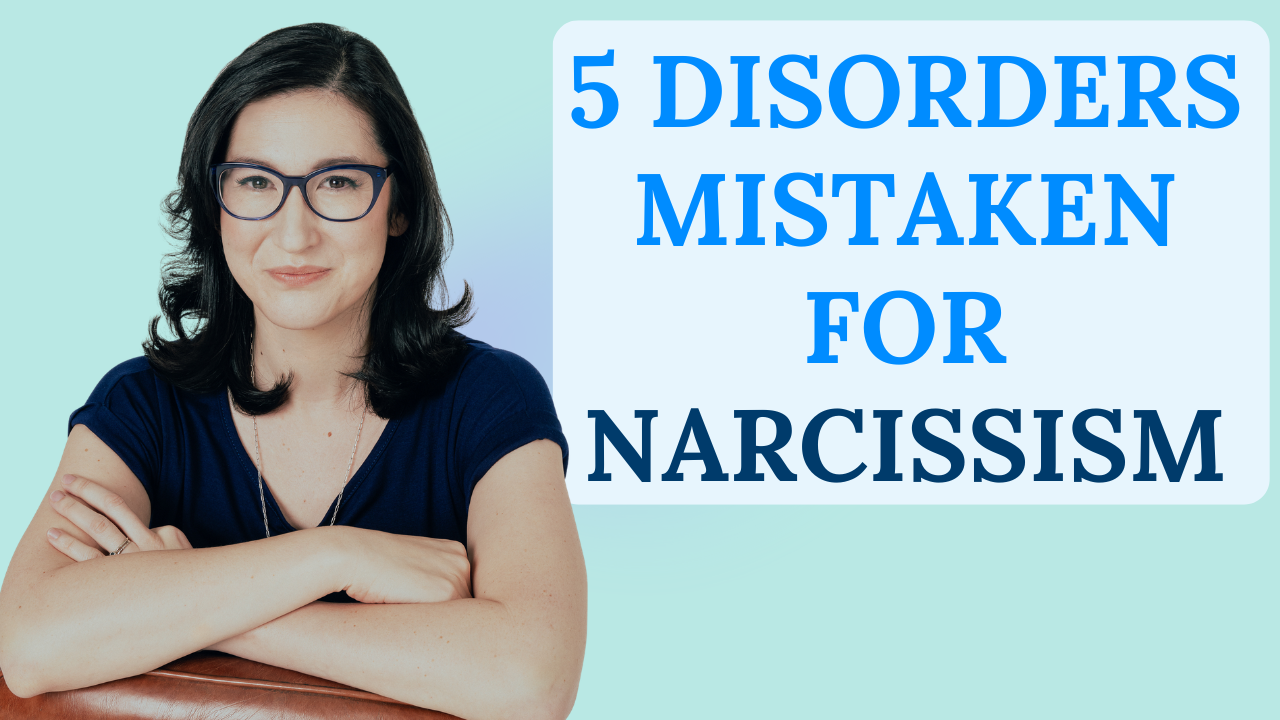
Ep. 191-5 Mental Health Disorders People Mistake for Narcissism
This episode dives into the mental health conditions and behaviors often mistaken for narcissism.
When someone you love struggles with mental health and acts selfishly, the internet will immediately tell you that they're "a narcissist." However, you might be overlooking an underlying condition that just looks like narcissism on the surface. In this episode, Dr. Kibby reveals the five disorders frequently confused with narcissistic personality disorder, including: 1. borderline personality disorder; 2. attention deficit and hyperactivity disorder (ADHD); 3. autism, 4. complex post traumatic stress disorder (cPTSD), and 5.obsessive compulsive personality disorder (OCPD).
Ep. 190-Unmasking Manipulation in Toxic Relationships
This episode breaks down what manipulation is and why it's so common in relationships with people struggling with mental health. It also gives actionable strategies for resisting the effects of manipulation.
Have you ever been in a relationship where you found it hard to think for yourself? You somehow make decisions that are out of character and doubt yourself so much, you're not sure what's real? In this episode, Dr. Kibby exposes the truth behind these tactics: what manipulation really is, how it shows up, and most importantly, how to regain control.
Ep. 189-How to Set Healthy Boundaries in High-Conflict Relationships
This episode talks about setting healthy boundaries in high-conflict relationships with people who have intense, dysregulated emotions.
If you're in an emotionally charged or high-conflict relationship, you struggle to say "no" or assert yourself. If you’ve ever felt blindsided, criticized, or powerless in high-conflict moments with loved ones, this episode reveals the proven framework that transforms chaos into clarity. Dr. Kibby talks about common mistakes with setting boundaries that make things even worse. Because boundaries are essential for healthy relationships, she shares the secret sauce from Dialectical Behavior Therapy and clinical science to set boundaries that stick without escalating fights. You’ll learn how to communicate precisely, protect your autonomy, and foster genuine connection even when emotions run high.
Ep. 188-"That Never Happened": How Out-Of-Control Emotions Warps Memory
This episode talks about how mood, especially dysregulated emotions, affect memory. It explains why people with emotional issues may have such a different perspective and memory for things that happened in the past.
If you're close to someone with big emotions, you've probably gotten into an argument with them about something you remember...very differently than they do. You bring up something that happened and they'll say "that never happened!", leaving you to question your whole reality. In this episode, Dr. Kibby delves into why the "that never happened" argument happens so often. What if your loved one is genuinely remembering a fight differently- and that difference isn’t about manipulation, but about how your brain reconstructs trauma and emotion? This episode dives deep into the science of how mood, trauma, and dysregulation distort memory, often making "truth" feel entirely relative.
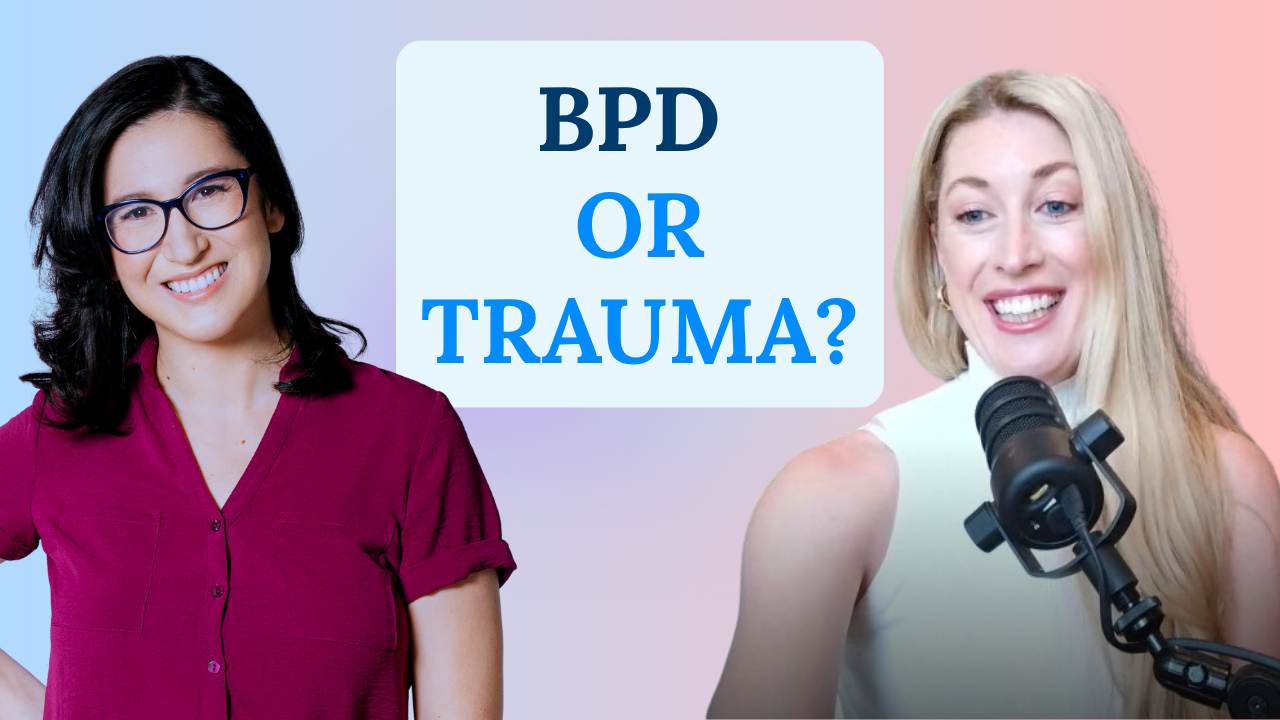
Ep. 187-Unpacking the Controversy: BPD vs. CPTSD and the Path to Healing with Kaytlyn Gilner
This episode features a conversation with Kaytlyn Gilner, a mental health advocate and host of the "Not So Dumb Blonde" podcast. We delve into the complexities of complex post traumatic stress disorder (CPTSD) and borderline personality disorder (BPD), exploring the nuances and overlaps between these diagnoses.
If you struggle with intense negative emotions, difficulty with intimacy, low self-esteem, and dissociation, what "diagnosis" should you get? In this episode, Kaytlyn Gilner shares her personal journey of misdiagnosis and the transformative power of Dialectical Behavior Therapy (DBT). Dr. Kibby and Kaytlyn break down the hot controversy over these diagnoses that pushes back on the stigma of BPD. The recent backlash against the "borderline personality disorder" label argues that a diagnosis like "complex PTSD" recognizes the symptoms as trauma responses better.
Ep. 186-Navigating Mental Health Crises: A Guide to Overdose, Self-Harm & Suicide Risk
his episode gives a step by step guide to managing mental health crises like self-harm, suicide, or overdose threats.
Most people feel completely helpless when someone they love descends into a mental health crisis but what if you had a clear, plan that could save lives? In this episode, Dr. Kibby shares the insider knowledge she gained from working in psychiatric emergency rooms and supporting families through the most dangerous moments. Whether it's a loved one overdosing, becoming violent, or threatening suicide, knowing exactly what to do can make all the difference and even prevent tragedy.
Ep. 185-Parenting Adult Children with Borderline Personality Disorder
This episode gives parents of adults with borderline personality disorder insights into the experience of parenting someone with BPD and strategies for supporting their children.
When your child struggles with intense emotions, it's heartbreaking for any parent. But when you're a parent of an adult child with borderline personality disorder (BPD), you're walking on eggshells trying not to make things worse. In this episode, Dr. Kibby shares powerful, research-backed strategies for parents of grown children with intense emotions, revealing how your approach can prevent crises from escalating and rebuild vital connections.
Ep. 178- Does getting diagnosed with a "personality disorder" mean you're a bad person?
This episode explains what it means to be diagnosed with a "personality disorder," including how psychologists understand what personality is, when it's pathological, and how clinicians diagnose it.
Is "borderline personality disorder" or "narcissistic personality disorder" a fancy term for "toxic"? In this episode, Dr. Kibby dives deeper into the nuanced way psychologists understand personality pathology. She gives an overview of the history of personality disorders and their diagnostic criteria, peeling back the stigma to reveal what’s really happening when someone gets diagnosed. She talks about why these conditions are about persistent, pervasive patterns that impact daily life, not character flaws or moral failures.
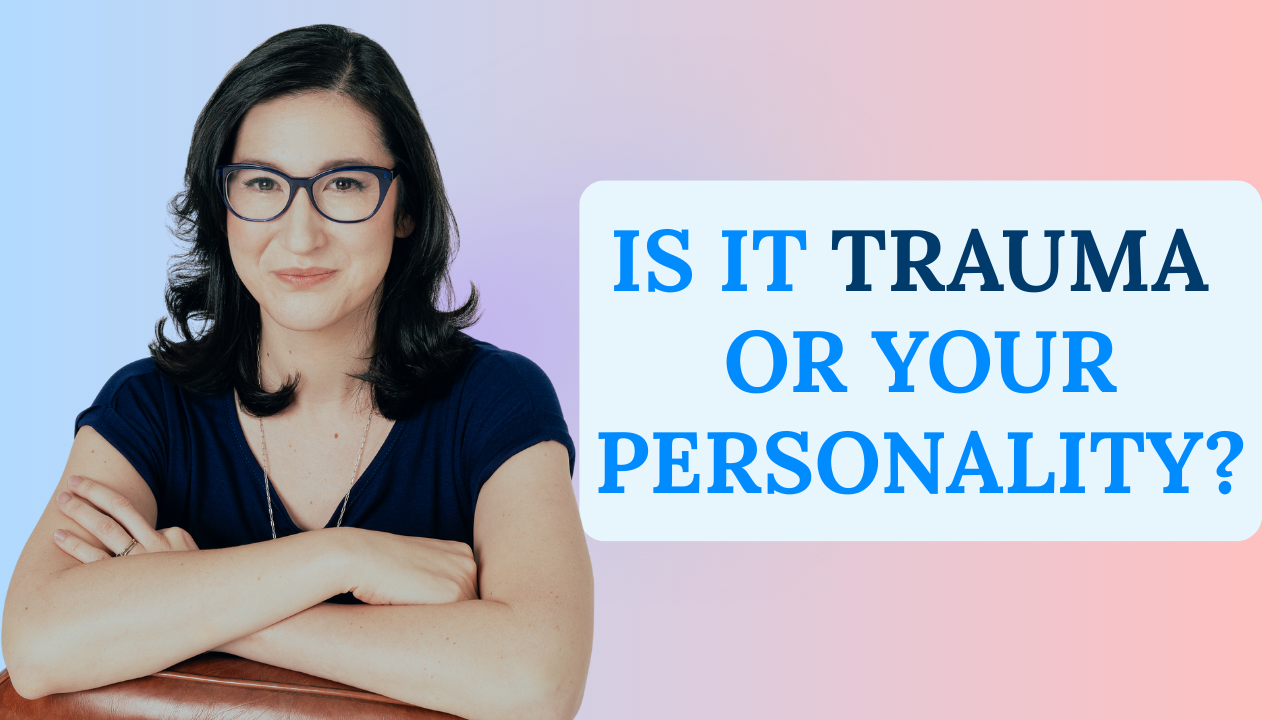
Ep. 175- Complex Post Traumatic Stress Disorder (cPTSD): What is it and how does it compare to borderline personality disorder
This episode describes what complex Post Traumatic Stress disorder (cPTSD) is, how it's diagnosed, and how it's different to similar disorders like PTSD and borderline personality disorder. This episode was inspired by the angry comments on Dr. Kibby's latest reel on spotting emotion dysregulation in borderline personality disorder.
When someone has a history of childhood trauma and they struggle with intense emotions, self-esteem issues, and relationship problems- what disorder do they have? In this episode, Dr. Kibby delves into the criteria for complex PTSD, which is still not an official disorder in the DSM-V. Yet, so many people struggle with symptoms from long, painful histories of trauma that has shaped their entire lives and personalities.
Have a podcast idea or want to collaborate?
We’d love to hear from you. If you have an idea for a podcast episode, are interested in being a guest, or would like us to join your show - reach out!
