

Listen to our weekly mental health podcast:
“A Little Help For Our Friends”
A podcast by KulaMind, hosted by Founder Dr. Kibby McMahon, created for anyone navigating the mental health or addiction struggles of others. Each episode dives into what’s really going on beneath the surface, why people struggle, how it impacts you, and what can actually help. We cover a range of topics like dealing with toxic relationships, narcissism, boundaries, family dynamics and more, always with warmth, honesty, and expert insight.


Episodes
Ep. 206 - BPD Splitting: Why Someone Can Go From Loving You to Hating You
What happens when someone you love suddenly goes from seeing you as their safest person to seeing you as the enemy? In this episode, Dr. Kibby breaks down “splitting,” the all-good or all-bad thinking often associated with borderline personality disorder and other intense emotional struggles. She explores why it happens, how overwhelming emotions can shape someone’s view of themselves and others, and what loved ones can do to stay grounded, set boundaries, and respond without getting pulled into the extremes.
Ep. 205 - How Social Media Is Changing Our Personalities | Dr. Kibby McMahon & Connor Flannery
Rebuilding trust after addiction can be just as complicated as recovery itself. In this episode, Dr. Kibby explores why sobriety doesn’t automatically repair broken trust and why loved ones may still feel anxious, guarded, or unsure long after things begin to improve. She breaks down how trust is rebuilt through honesty, consistency, and small actions over time, while sharing practical ways families can move forward without falling into cycles of monitoring or control.
Ep. 204 - Why It’s So Hard to Trust Someone After Addiction
Rebuilding trust after addiction can be just as complicated as recovery itself. In this episode, Dr. Kibby explores why sobriety doesn’t automatically repair broken trust and why loved ones may still feel anxious, guarded, or unsure long after things begin to improve. She breaks down how trust is rebuilt through honesty, consistency, and small actions over time, while sharing practical ways families can move forward without falling into cycles of monitoring or control.
Ep. 203 - When You Don’t Feel Seen: Why Validation Can Change Everything
In this deeply personal episode, Dr. Kibby explores what happens when we feel triggered, misunderstood, or unseen by the people closest to us. Drawing from her own experience with sensory overwhelm, she breaks down how empathy can fall apart in relationships and why validation can be such a powerful way to reconnect. She also explores the balance between asking others to understand and accommodate our triggers while learning how to communicate our needs and manage difficult emotions ourselves.
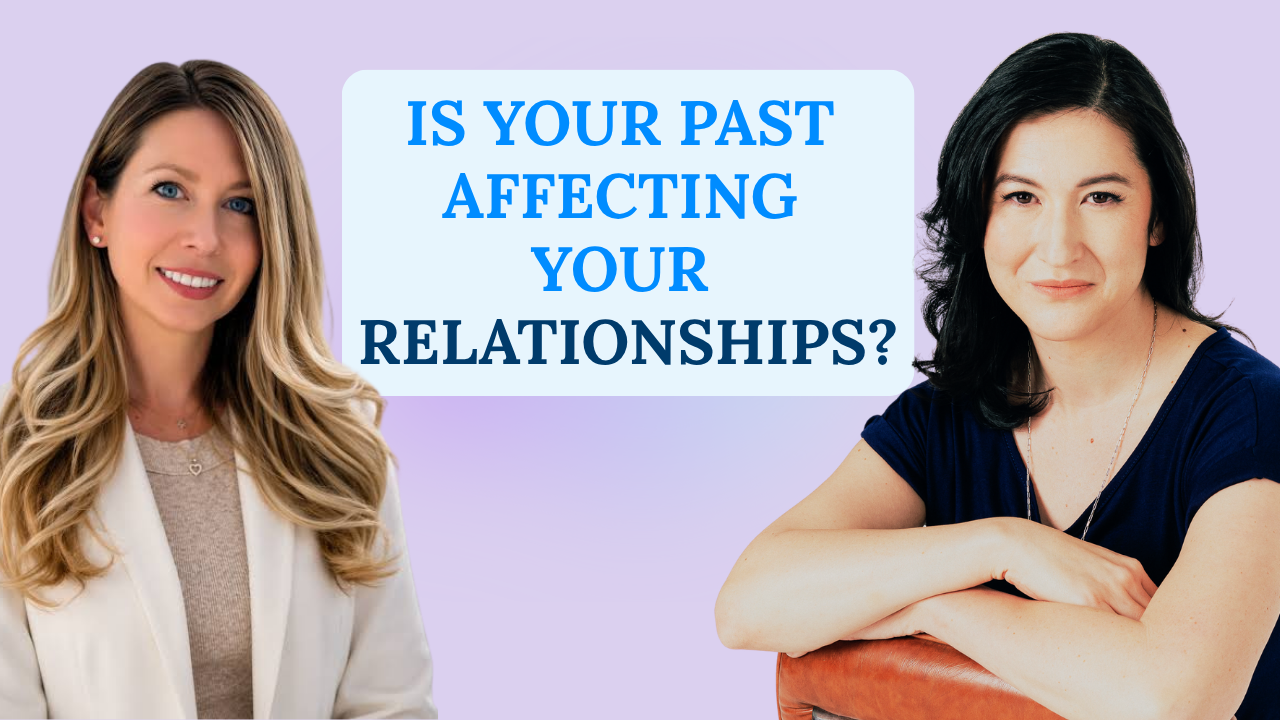
Ep. 202 - How Childhood Trauma Affects Adult Relationships | EMDR Explained with Jessica Connell
How can experiences from childhood continue to shape our relationships decades later? And can trauma responses actually be changed?
In this episode, Dr. Kibby McMahon sits down with psychotherapist and executive coach Jessica Connell, LCSW, to explore developmental trauma, EMDR, and the ways our early experiences can influence how we connect with others.
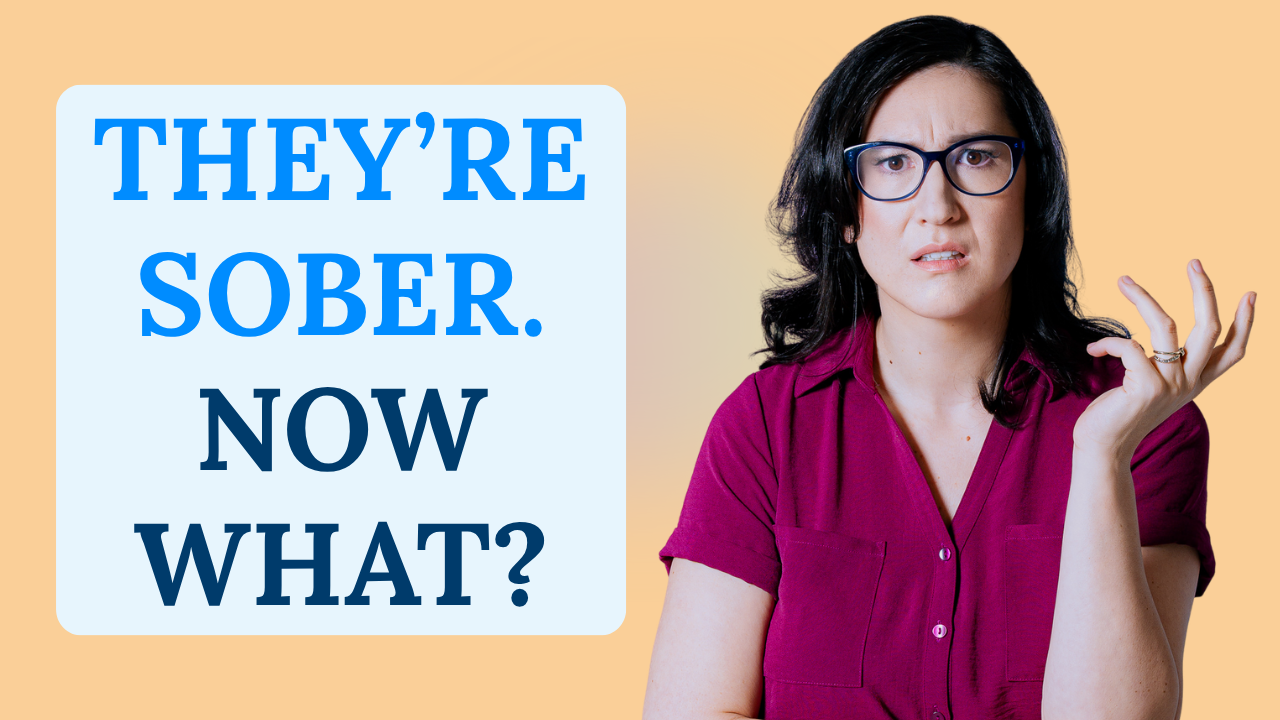
Ep. 201 - How to Support Someone in Addiction Recovery: 6 Things That Actually Help
When someone you love gets sober, it can feel like everything should finally be okay. But addiction recovery isn’t an on/off switch, and for loved ones, this stage can bring its own fear, uncertainty, and challenges.
In this episode, Dr. Kibby McMahon shares six research-backed ways you can support someone in addiction recovery while also protecting your own well-being.
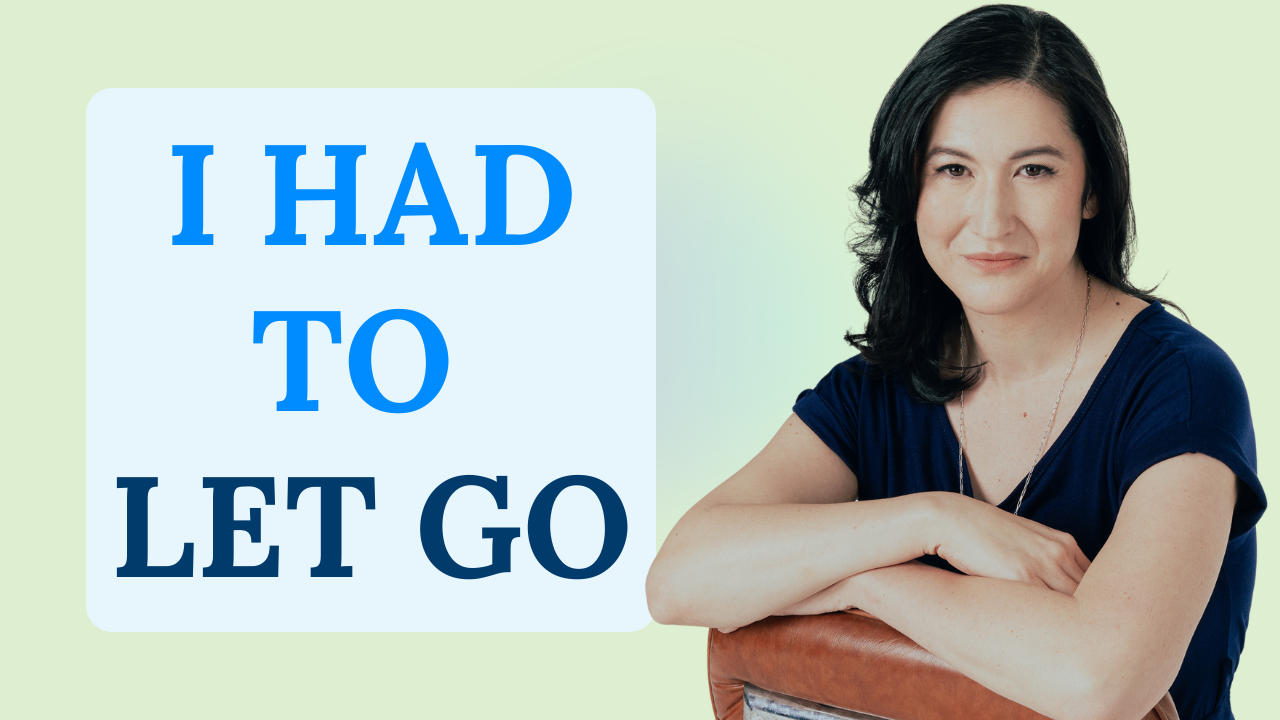
Ep. 200 - 3 Lessons I Learned From a Year of Change, Growth & Letting Go
In the season 6 finale of A Little Help for Our Friends, Dr. Kibby McMahon looks back on a year of major change, both personally and professionally, and shares the three biggest lessons she’s taking with her into the next chapter.
Kibby talks about what it means to let go of roles and relationship patterns that no longer fit, why real growth often comes from consistency and the right support, and what she’s learned from working with families affected by mental illness and addiction.
She also reflects on stepping into a new role after a major change to the podcast, building KulaMind, growing an online community from scratch, and learning to become more comfortable being seen and leading.
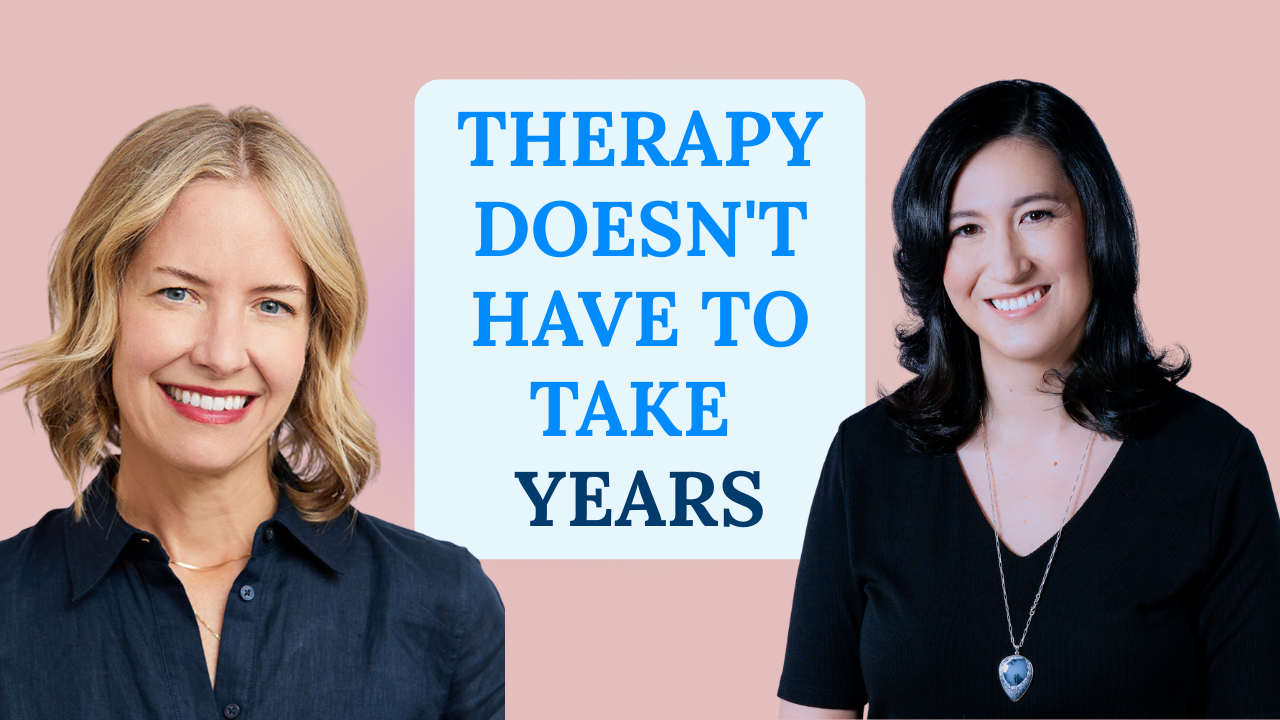
Ep. 199- Does Therapy Really Have to Take Years?
Most people think therapy means talking about your past for years. But what if that's not always true?
In this episode, Dr. Kibby is joined by clinical psychologist Dr. Chandler Chang, founder of Therapy Lab, to explore how mental health treatment is changing. They discuss why many people expect therapy to last indefinitely, how targeted, evidence-based treatments can often help much more quickly, and why matching the right treatment to the right problem matters.
Dr. Chandler explains Therapy Lab's unique approach of creating focused treatment plans for specific challenges like panic attacks, insomnia, breakups, self-esteem, and anxiety. Together, they discuss the difference between long-term supportive therapy and goal-oriented treatment, why exposure therapy is so effective for anxiety disorders, and how setting clear expectations can improve outcomes.
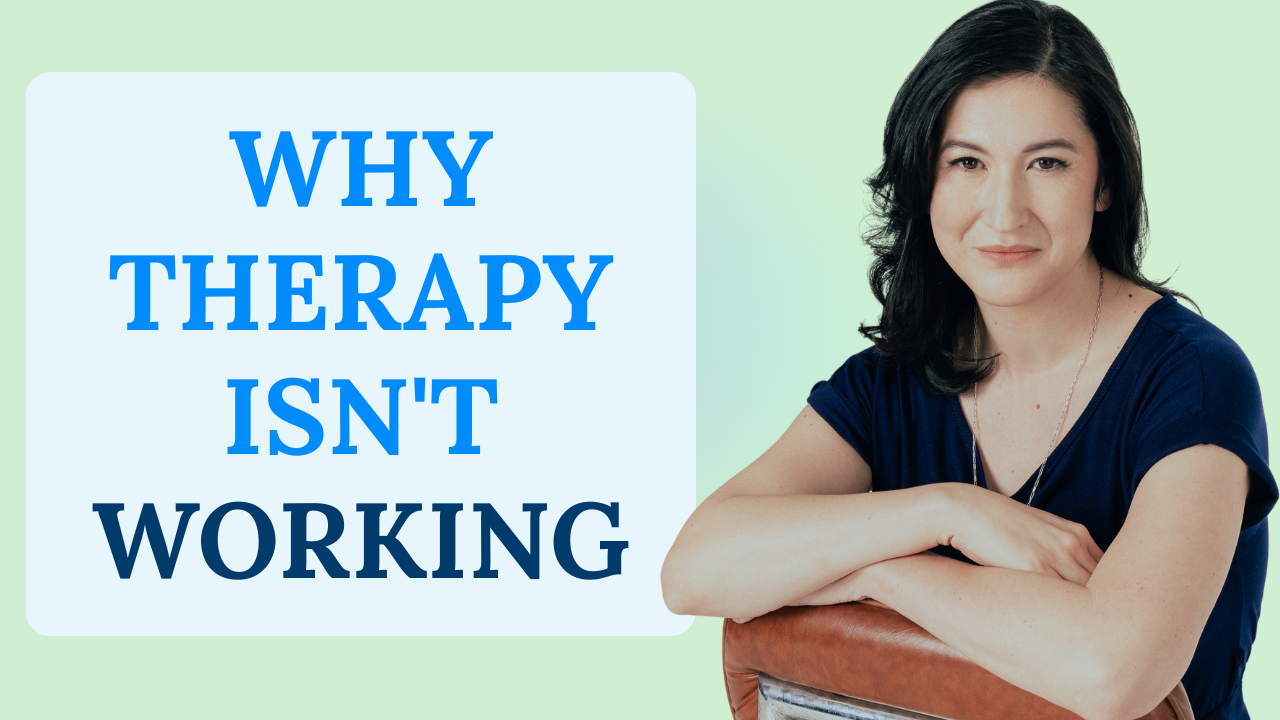
Ep. 198- 5 Things That Make Therapy Not Work
This episode breaks down practical strategies for getting more out of therapy and the common mistakes that can quietly get in the way of real progress.
Have you ever left a therapy session feeling better for an hour, only to find yourself stuck in the exact same patterns a week later? Or wondered why someone can spend years in therapy without seeming to change?
In this episode, Dr. Kibby explores the habits that often prevent therapy from being effective. She talks about emotional avoidance, people pleasing, staying in "problem talk" instead of focusing on change, and why honesty with your therapist matters more than trying to be the "perfect" client. She also explains how to choose the right therapist, what questions to ask before starting treatment, and why the work that happens between sessions is just as important as what happens during them.
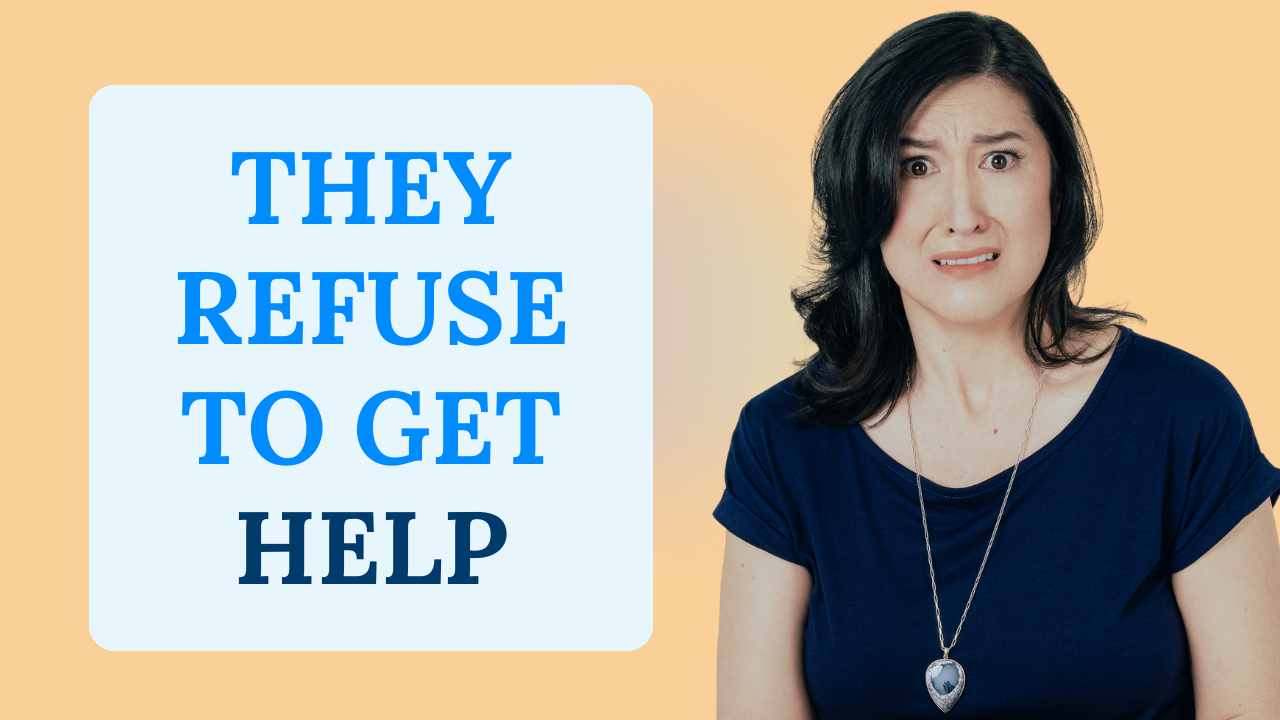
Ep. 197- How to Talk to Someone About Getting Help When They Don’t Think They Need It
This episode breaks down practical strategies for getting more out of therapy and the common mistakes that can quietly get in the way of real progress.
Have you ever left a therapy session feeling better for an hour, only to find yourself stuck in the exact same patterns a week later? Or wondered why someone can spend years in therapy without seeming to change?

Ep. 196- How I Married My Wedding Officiant: My Story of Building My Dream Family
IIn this episode, Dr. Kibby shares her deeply personal story of infertility, attachment trauma, and the unexpected path that led her to motherhood.
How do you build a family when the journey doesn’t go the way you planned? And what happens when control, willpower, and even the best-laid plans aren’t enough? In this honest and vulnerable episode, Dr. Kibby opens up about the heartbreak, uncertainty, and inner work that shaped her path to becoming a mother. She explains why trusting her gut became the turning point in her journey, and how letting go of rigid expectations made space for something greater than she imagined. Along the way, she reveals how attachment trauma influenced her relationships, how emotional safety and vulnerability became essential, and why infertility is so much more complex than most people realize. She talks about the limits of pure logic when it comes to family, the role of intuition in life-changing decisions, and how faith, surrender, and resilience can help us move through the unknown.
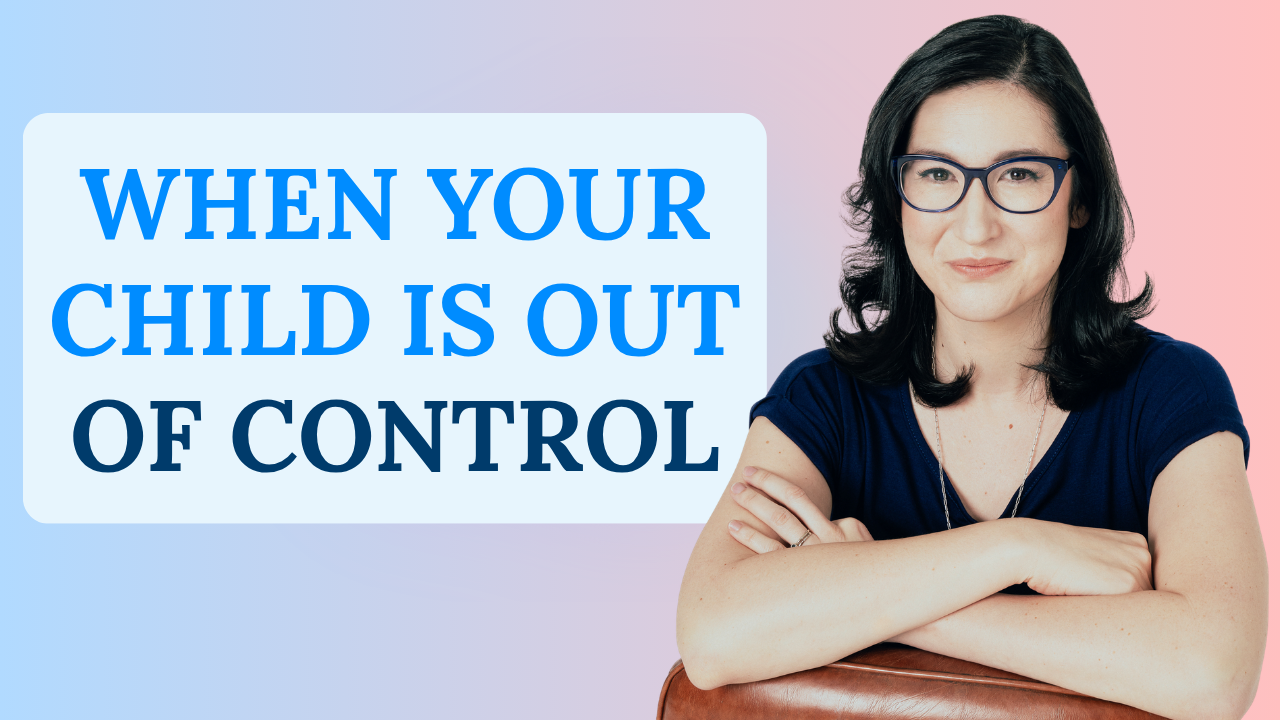
Ep. 185-Parenting Adult Children with Borderline Personality Disorder
This episode gives parents of adults with borderline personality disorder insights into the experience of parenting someone with BPD and strategies for supporting their children.
When your child struggles with intense emotions, it's heartbreaking for any parent. But when you're a parent of an adult child with borderline personality disorder (BPD), you're walking on eggshells trying not to make things worse. In this episode, Dr. Kibby shares powerful, research-backed strategies for parents of grown children with intense emotions, revealing how your approach can prevent crises from escalating and rebuild vital connections.
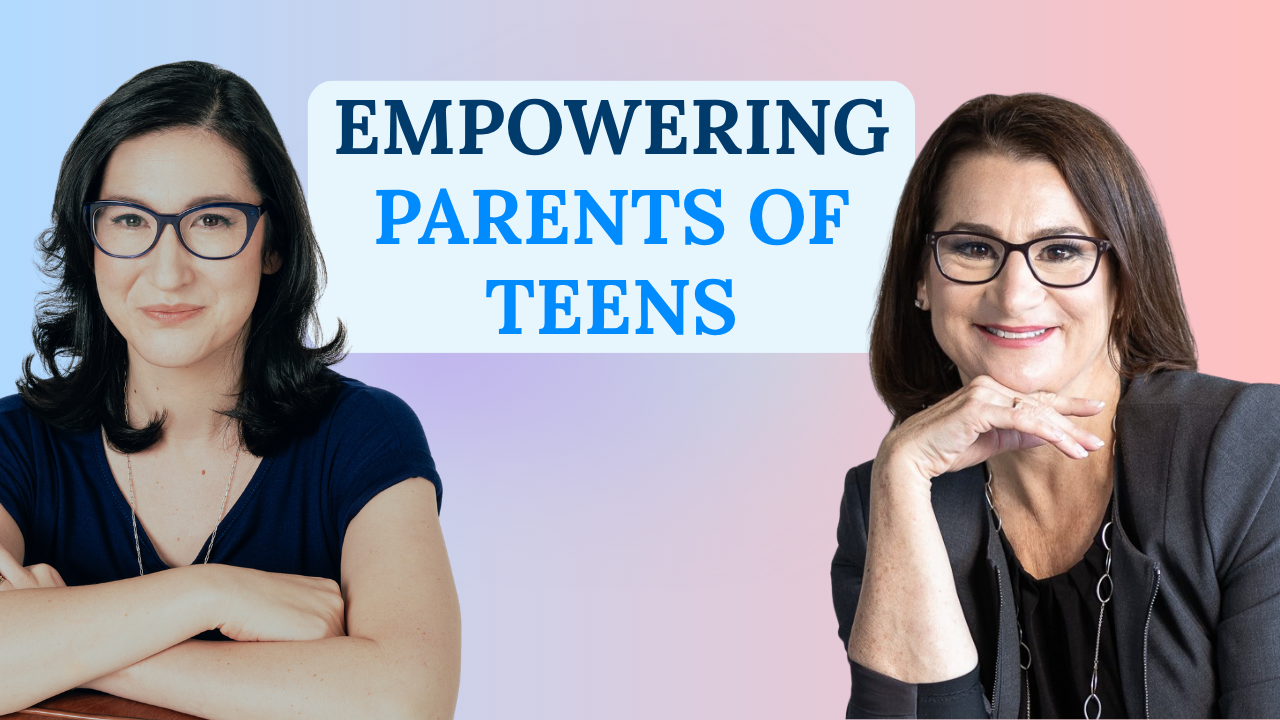
Ep. 183-The Surprising Truth About Parenting Teens: Why Control Backfires and Connection Wins
This episode is a conversation with Dr. Cam Caswell, "The Teen Translator," about how to actually connect to your teen who's struggling.
Most parents feel powerless when it comes to connecting with their teens (or a loved one that ACTS like a teen), especially when they struggle with anxiety, depression, or other intense pain. In this episode, Dr. Kibby gets golden insights from Dr. Cam, an adolescent psychologist, parenting coach, TEDx speaker, and host of the Parenting Teens with Dr. Cam podcast. The conversation delves into how can you actually support someone who can't handle their emotions, is in distress, but shuts you out? Parents of teens are all too familiar with this dynamic, but so are loved ones of grown adults who have the emotion regulation of a teenager.
Have a podcast idea or want to collaborate?
We’d love to hear from you. If you have an idea for a podcast episode, are interested in being a guest, or would like us to join your show - reach out!
